

Wetland ecosystems.

Wetlands are home to a wide range of unique aquatic plants and animals and are considered the most biologically diverse of all ecosystems. There are multiple types of wetlands and the types are classified based on either:
the source of the water - freshwater, brackish or saltwater; from tidal estuarine floodplain springs or seeps, bogs or ponds
the dominant plants - which may be emergent vegetation (e.g. reeds and sedges) or woody vegetation (trees and shrubs - such as the kahikatea wetlands in South Westland and at Omaha).
Some wetlands will have multiple types of plants and be fed by multiple sources of water, making them difficult to classify.
Healthy ecosystems start with the right combination of plants. Here is a selection of plants from our plant library to help you start planning your ecosystem.
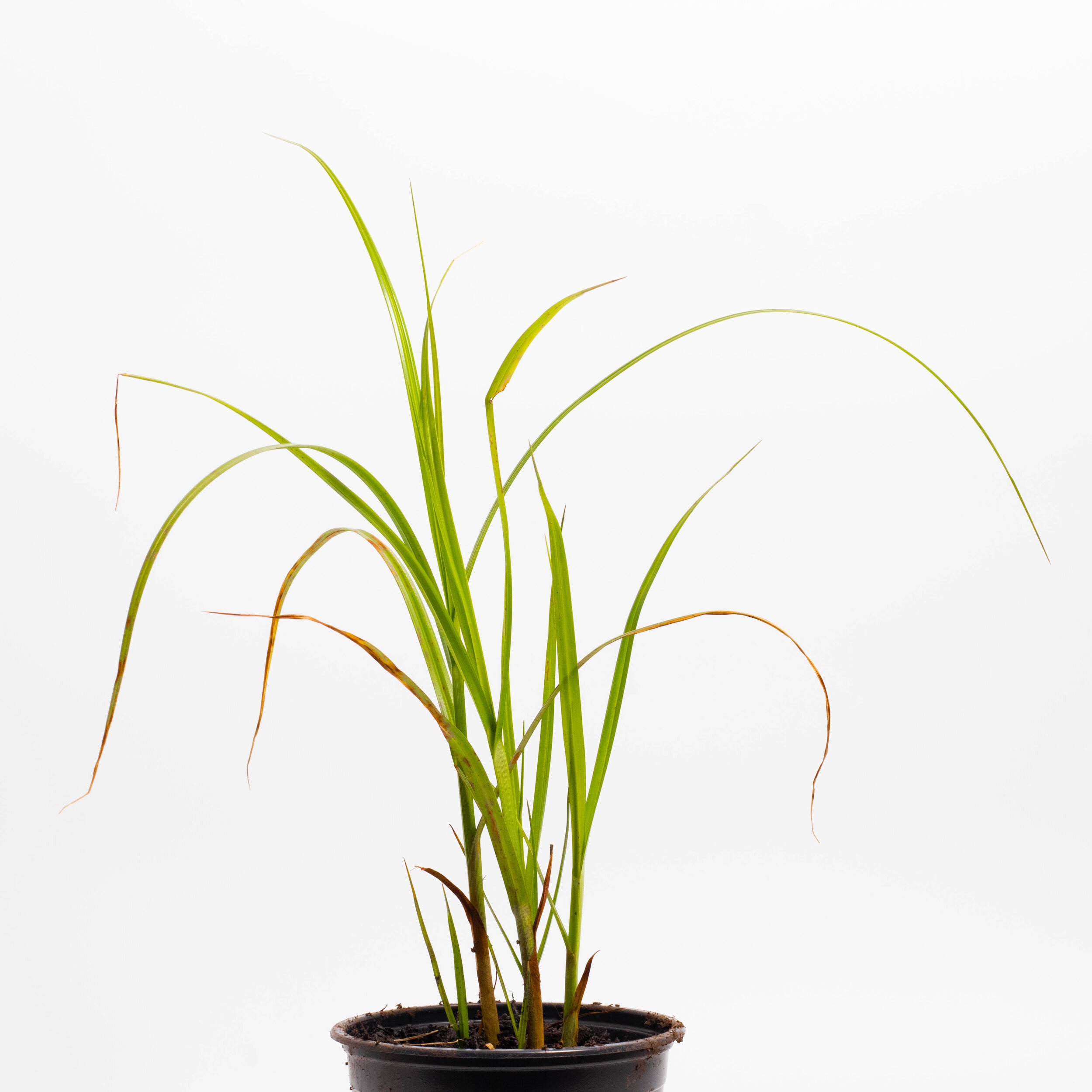
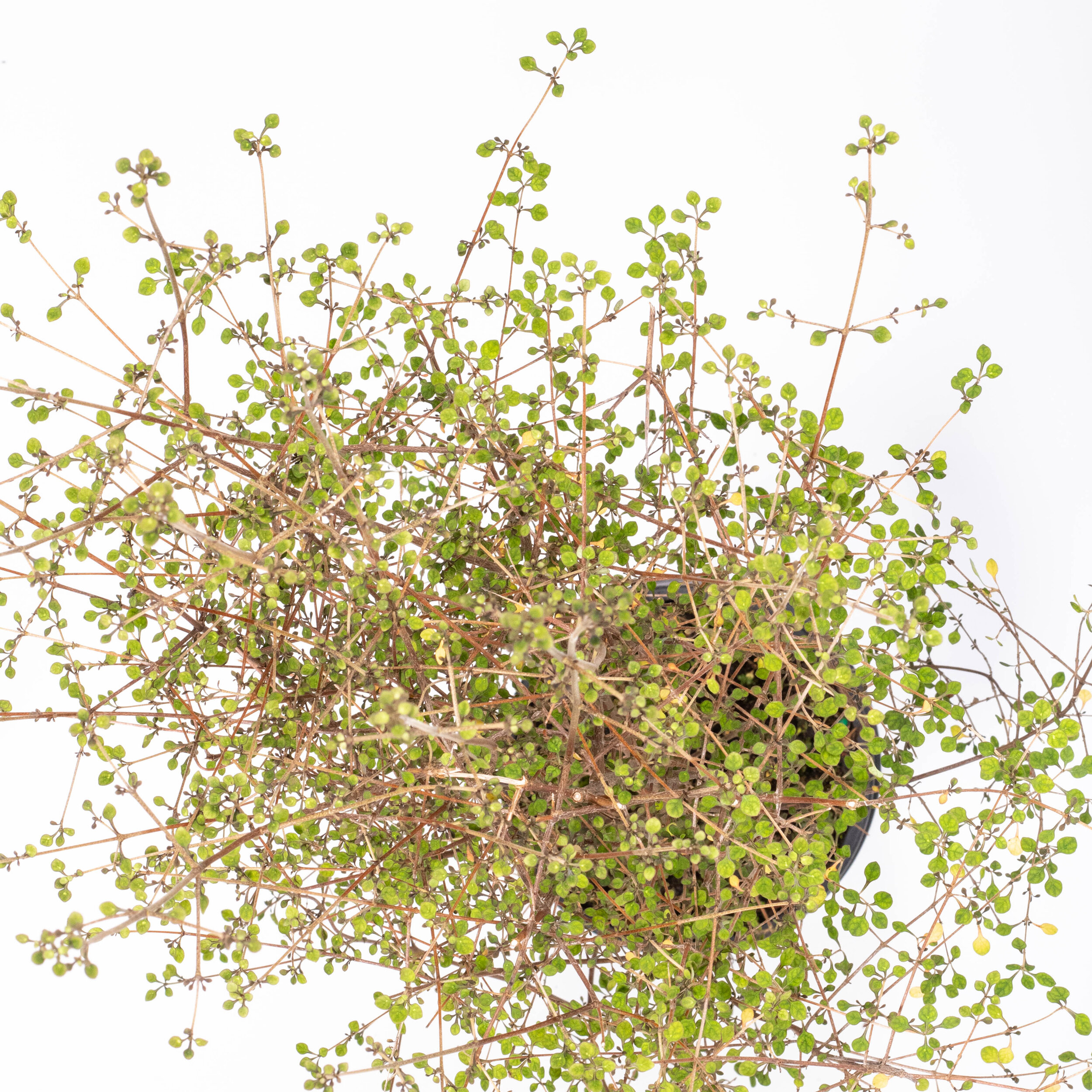

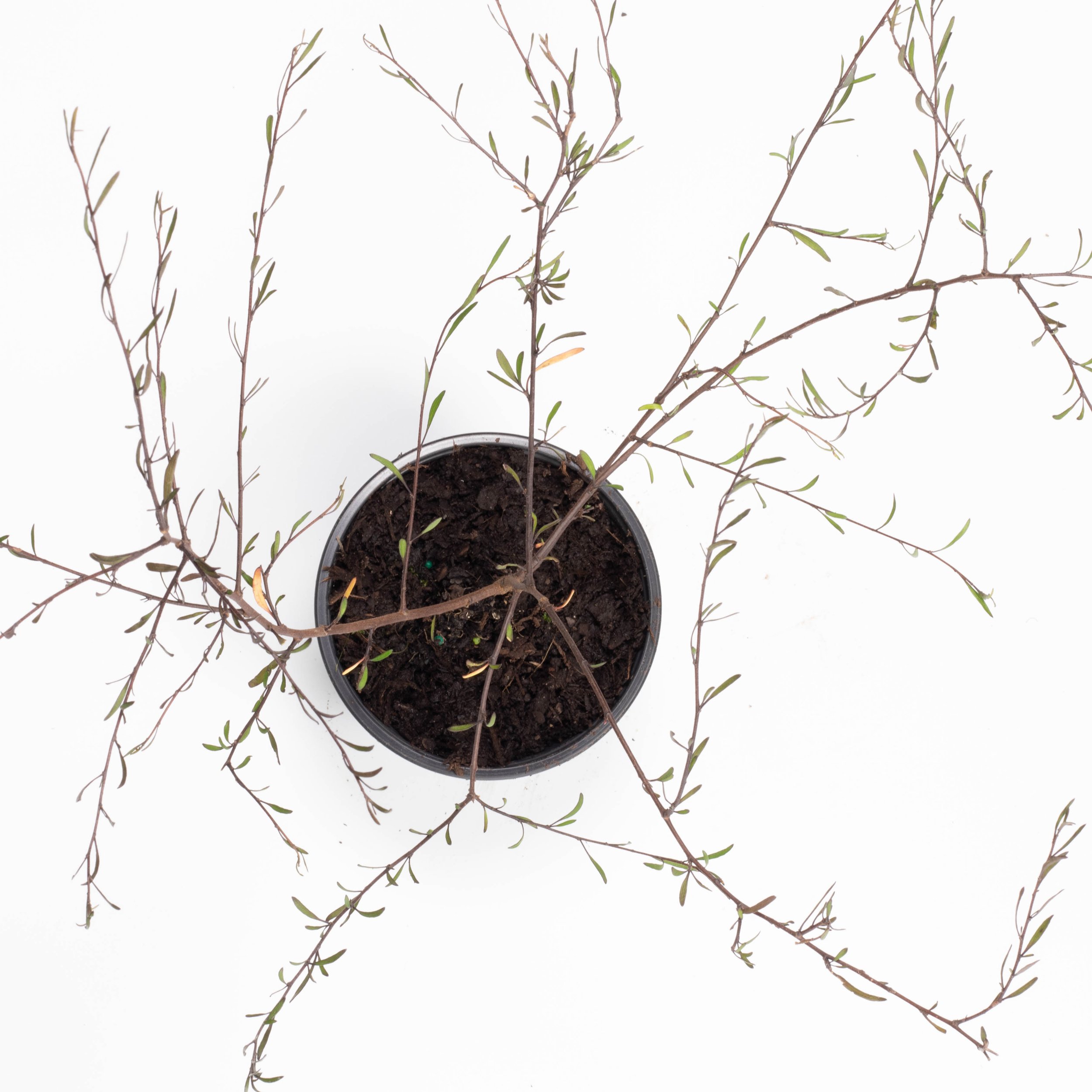
Estuarine Plants.
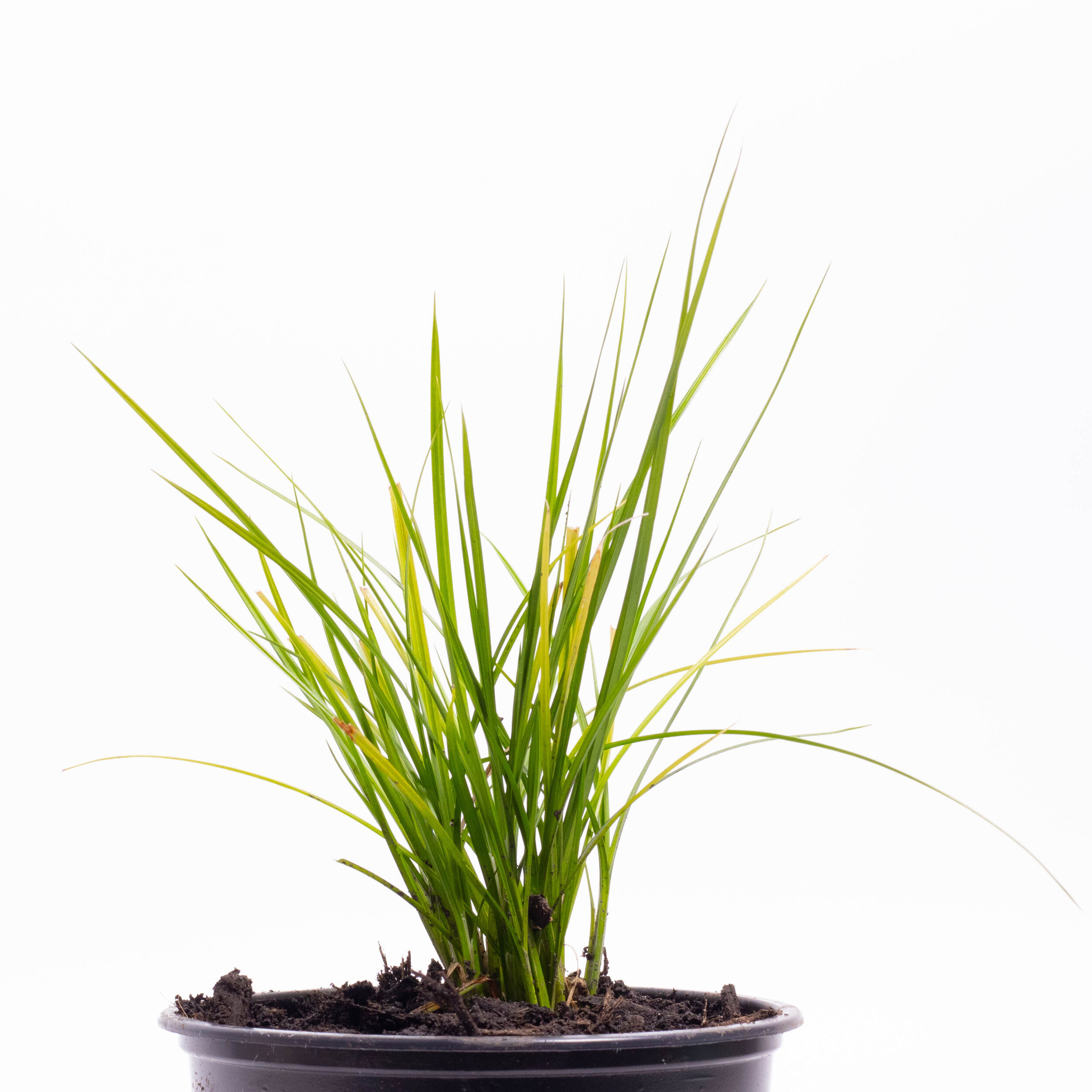
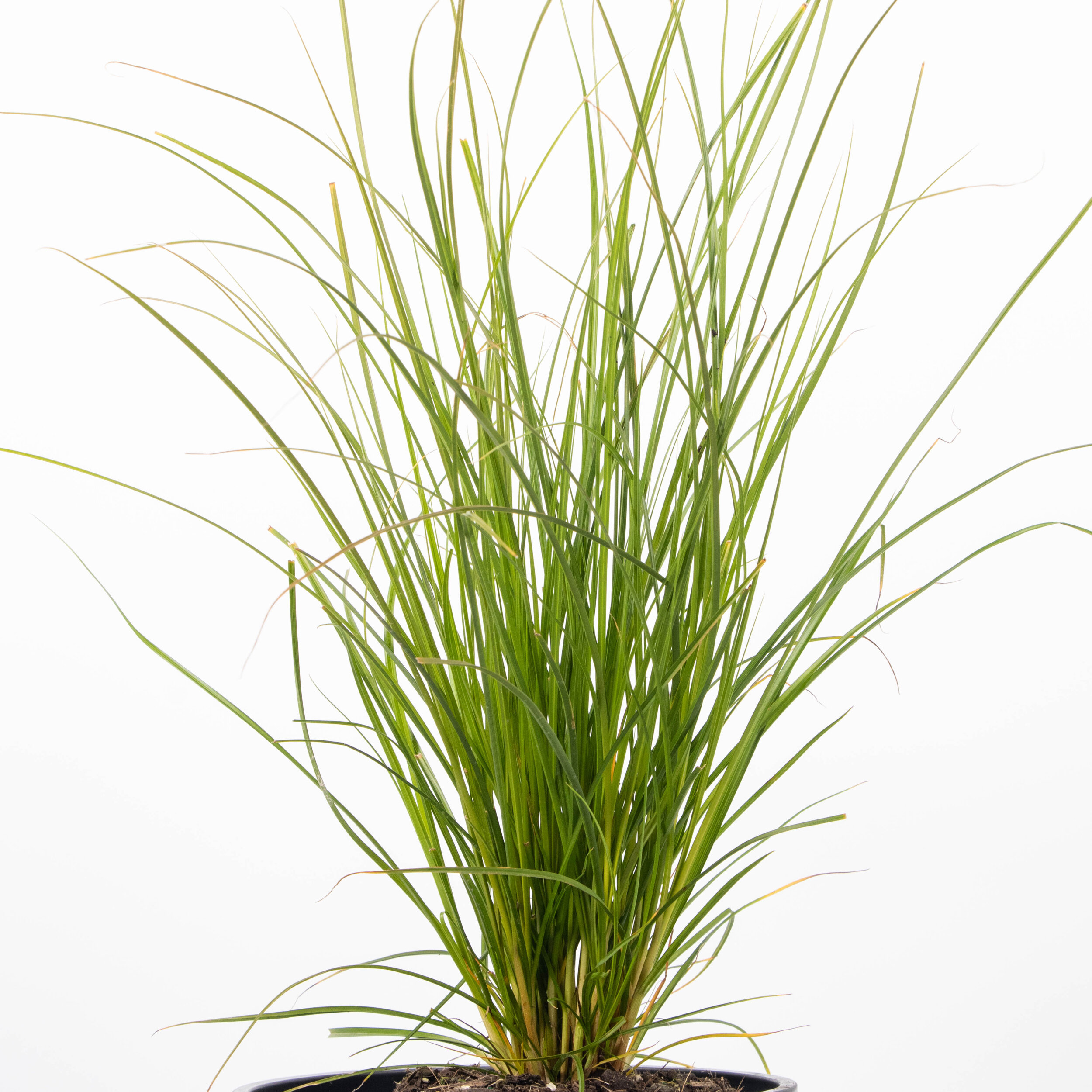
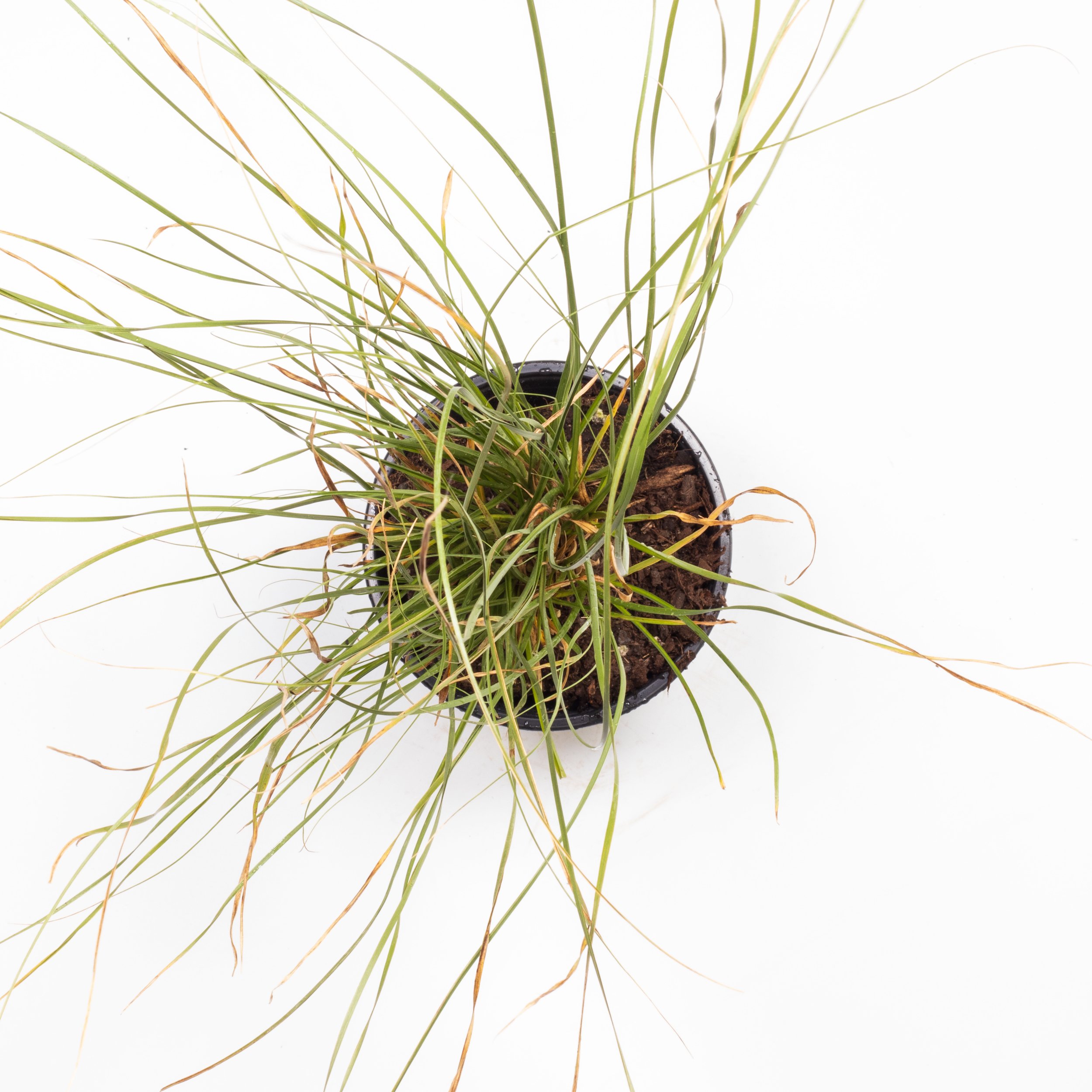
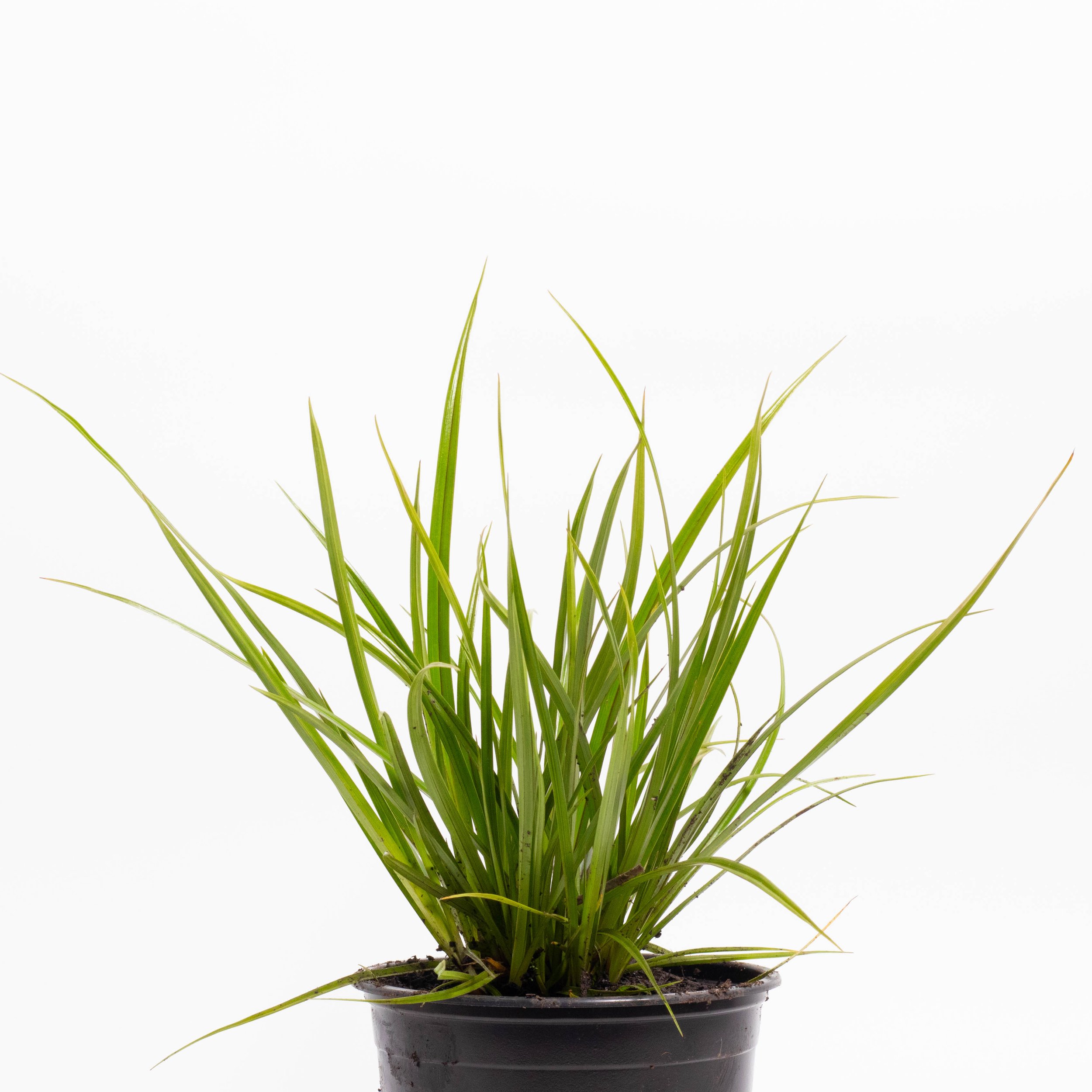
Shallow Wetland Plants.

Deep Wetland Plants.


We see the interconnectedness within nature – and between people and the world – everyday. Nature knows there’s no such things as boundaries or straight lines.
We know the building blocks for the creation of ecosystems that are designed to last for decades and that will nourish and grow life around them.
Every day our plants are on a mission. We’re so proud of the many missions our plants are on. These are some of our favourite examples of ecosystems that have kept our fingernails dirty over the last few years.
Let’s grow. Together.
We’re easy to deal with. That’s another promise.
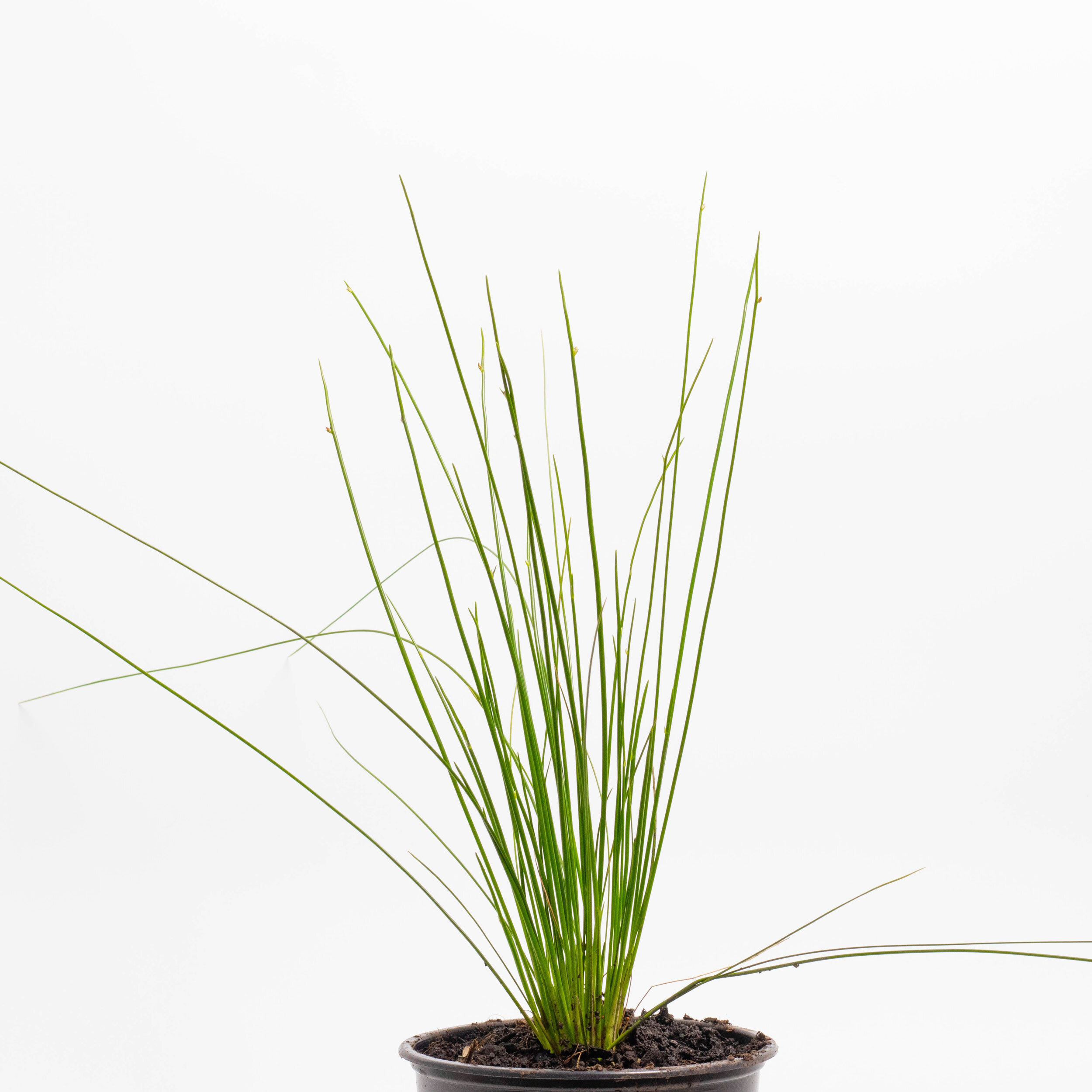
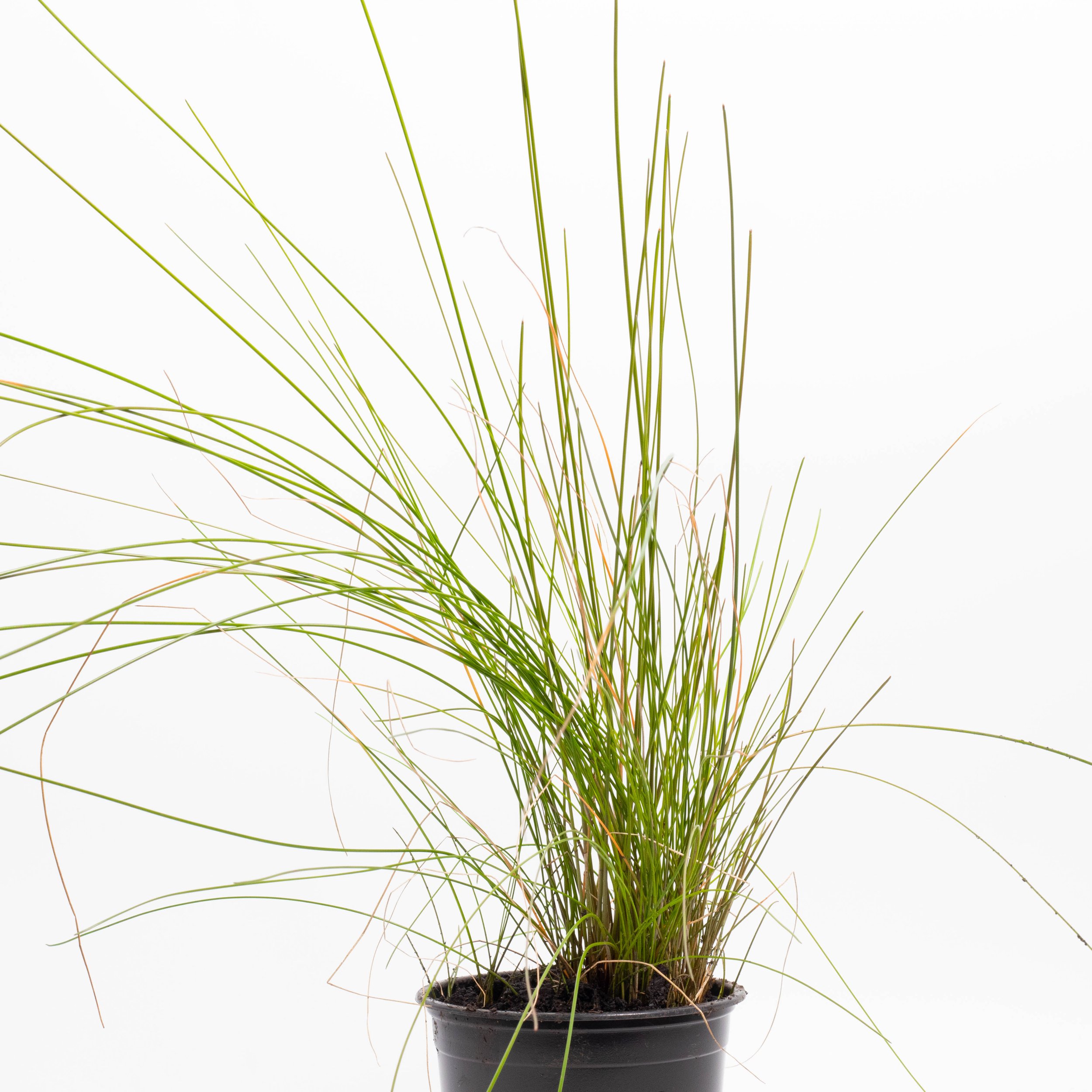
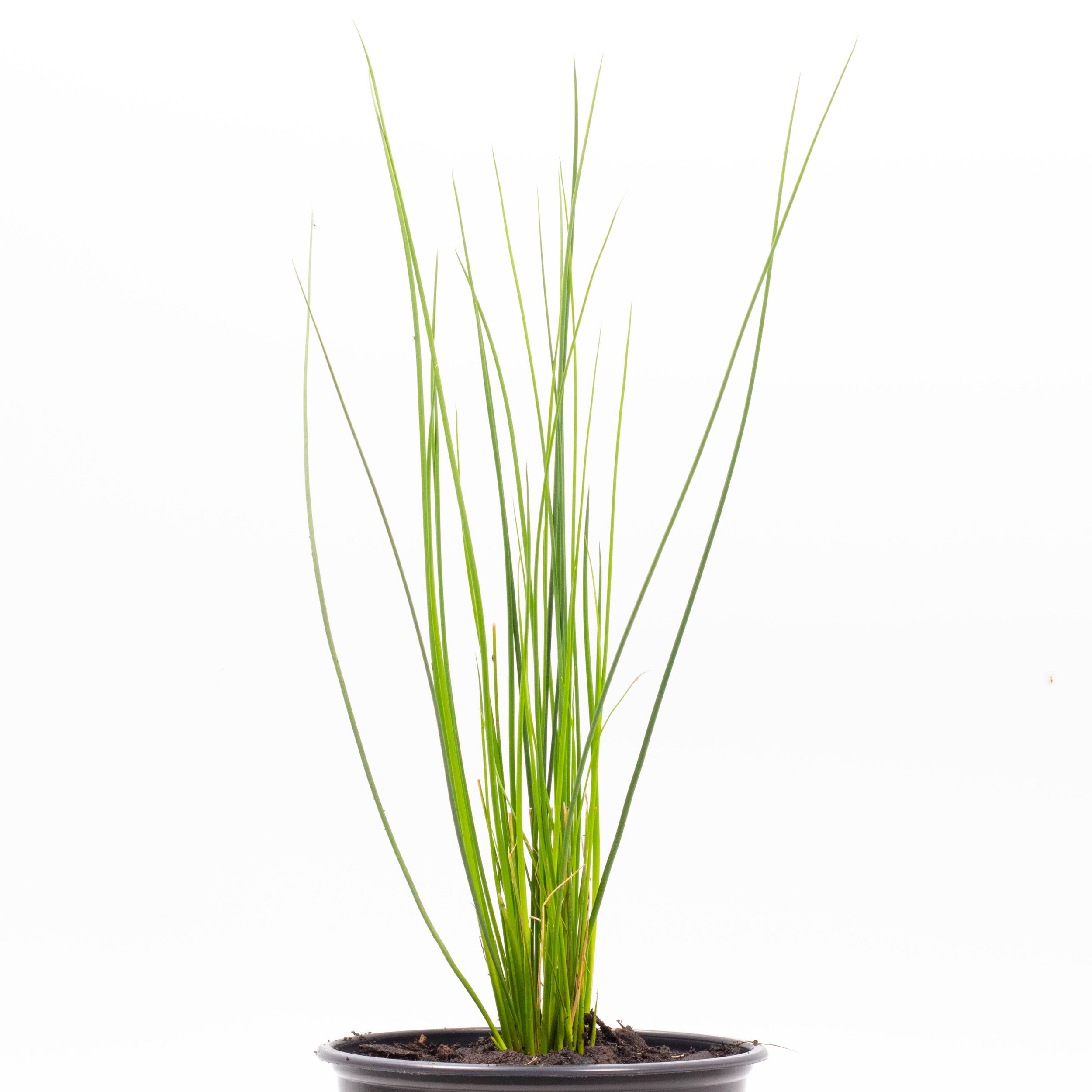
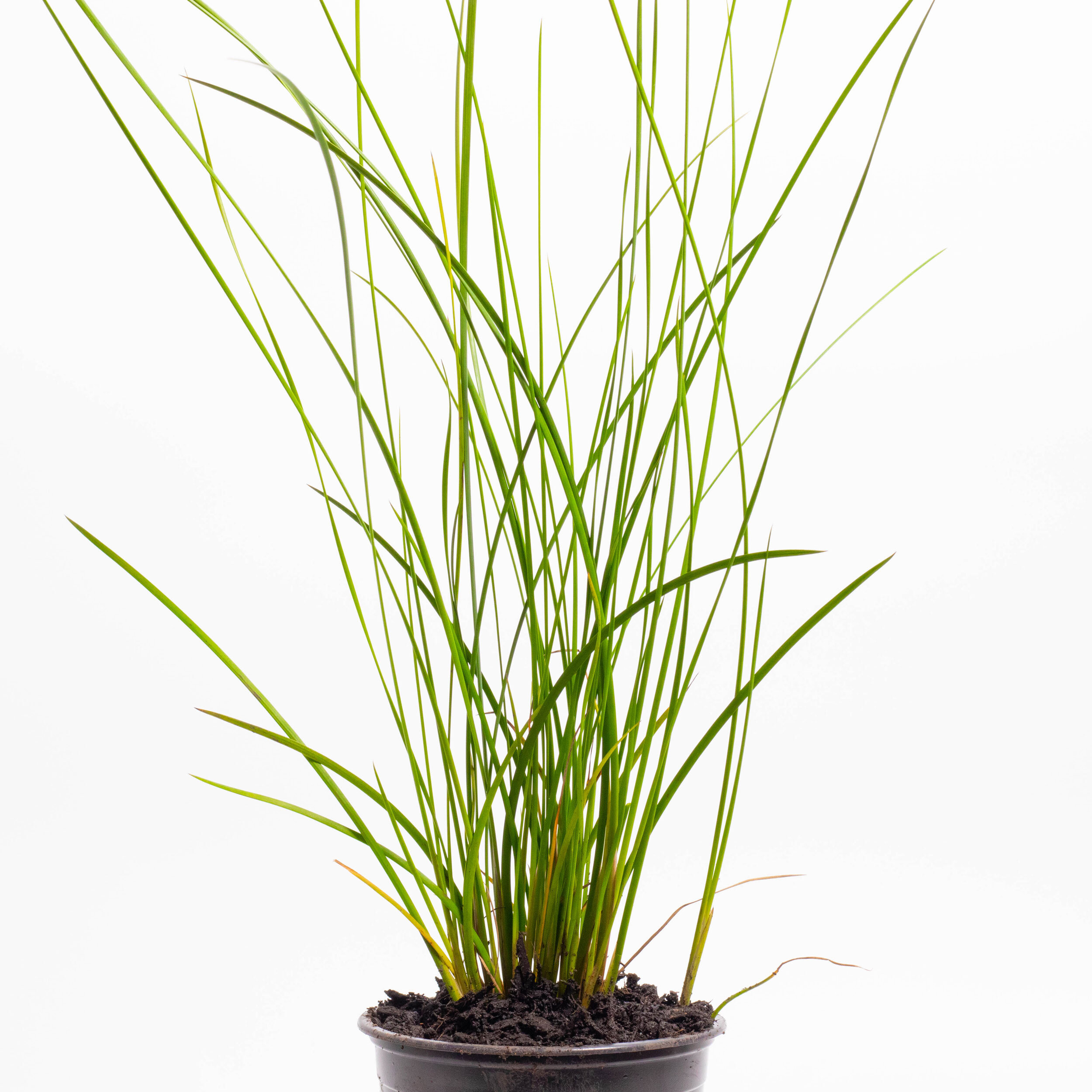
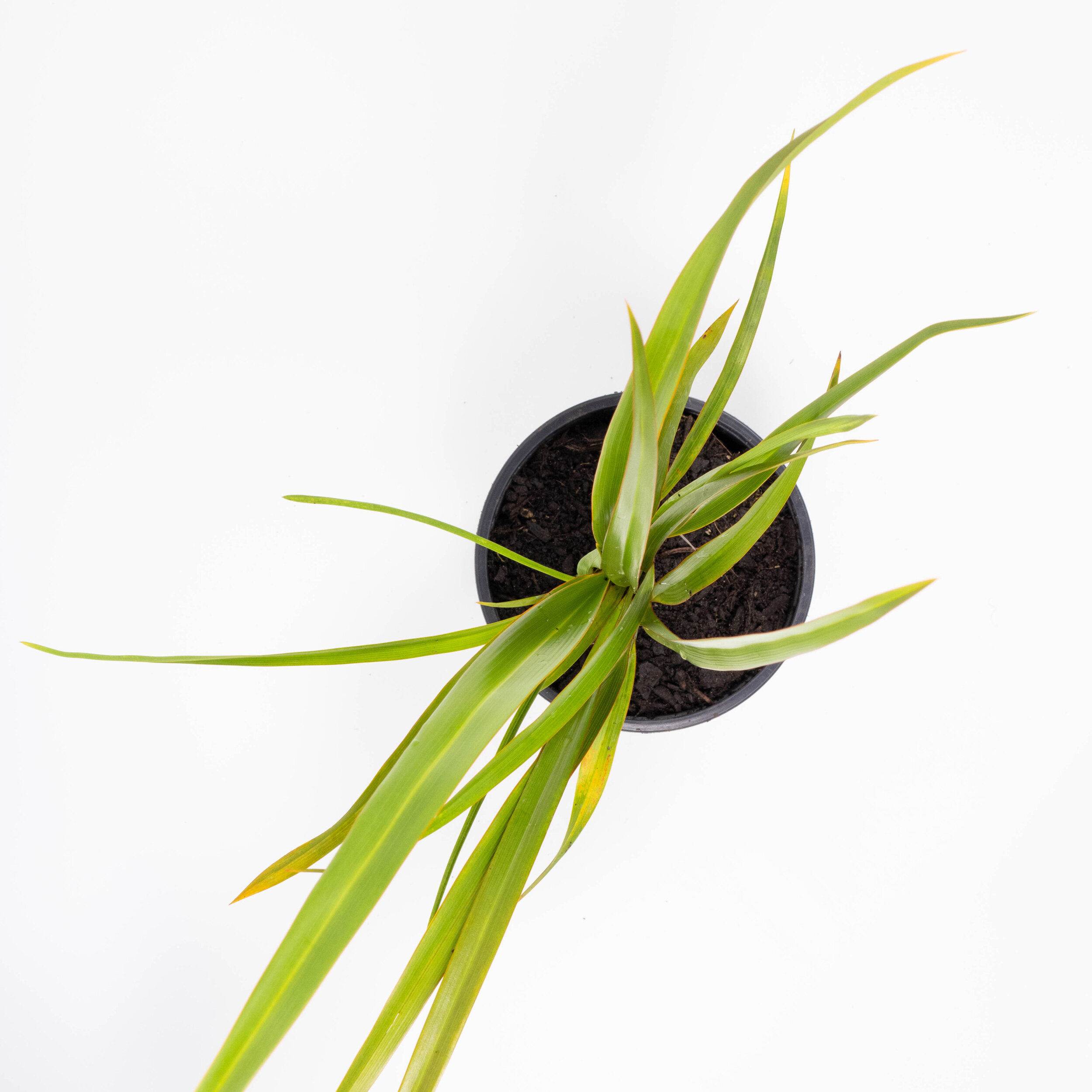
Leptocarpus similis, Jointed wire rush, oioi
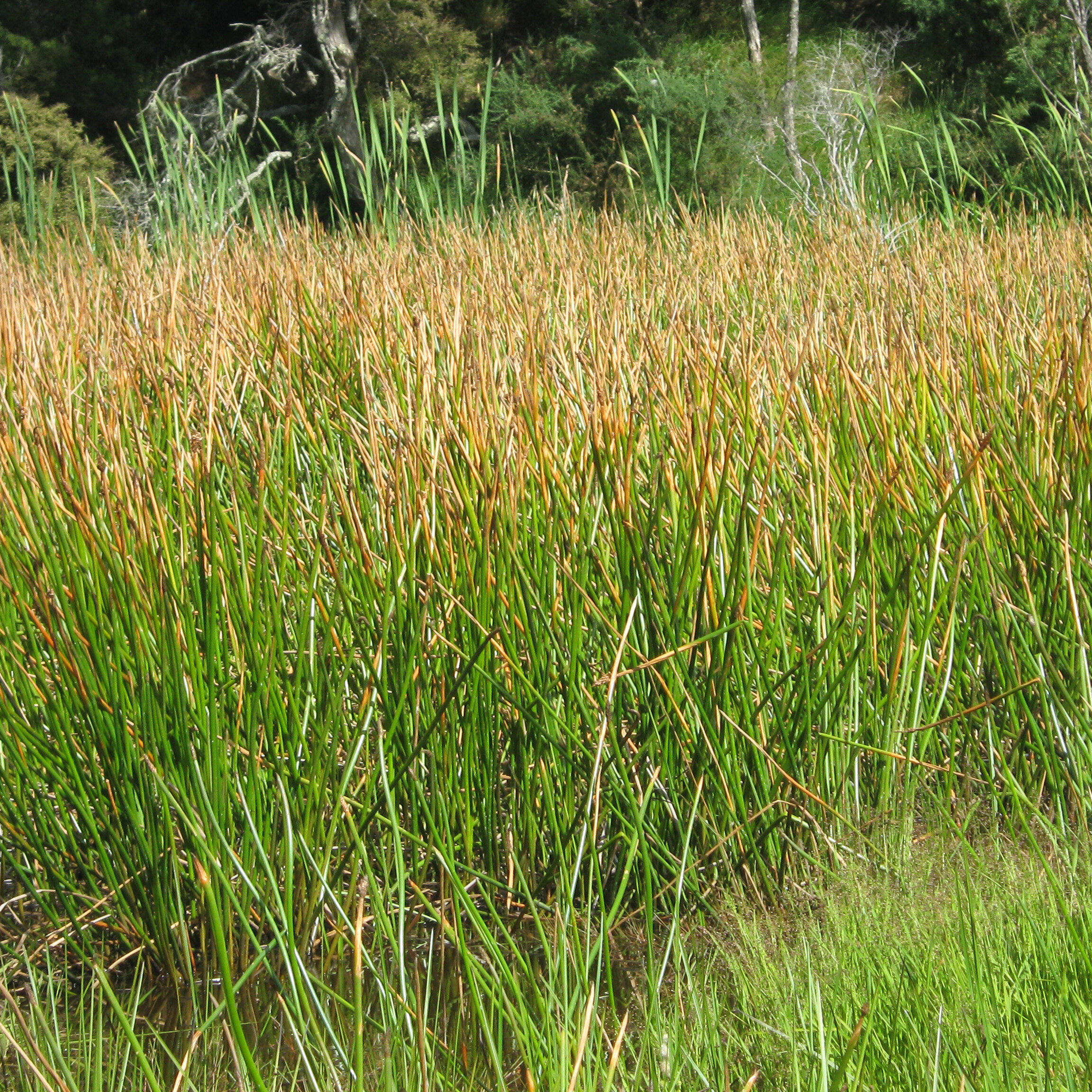
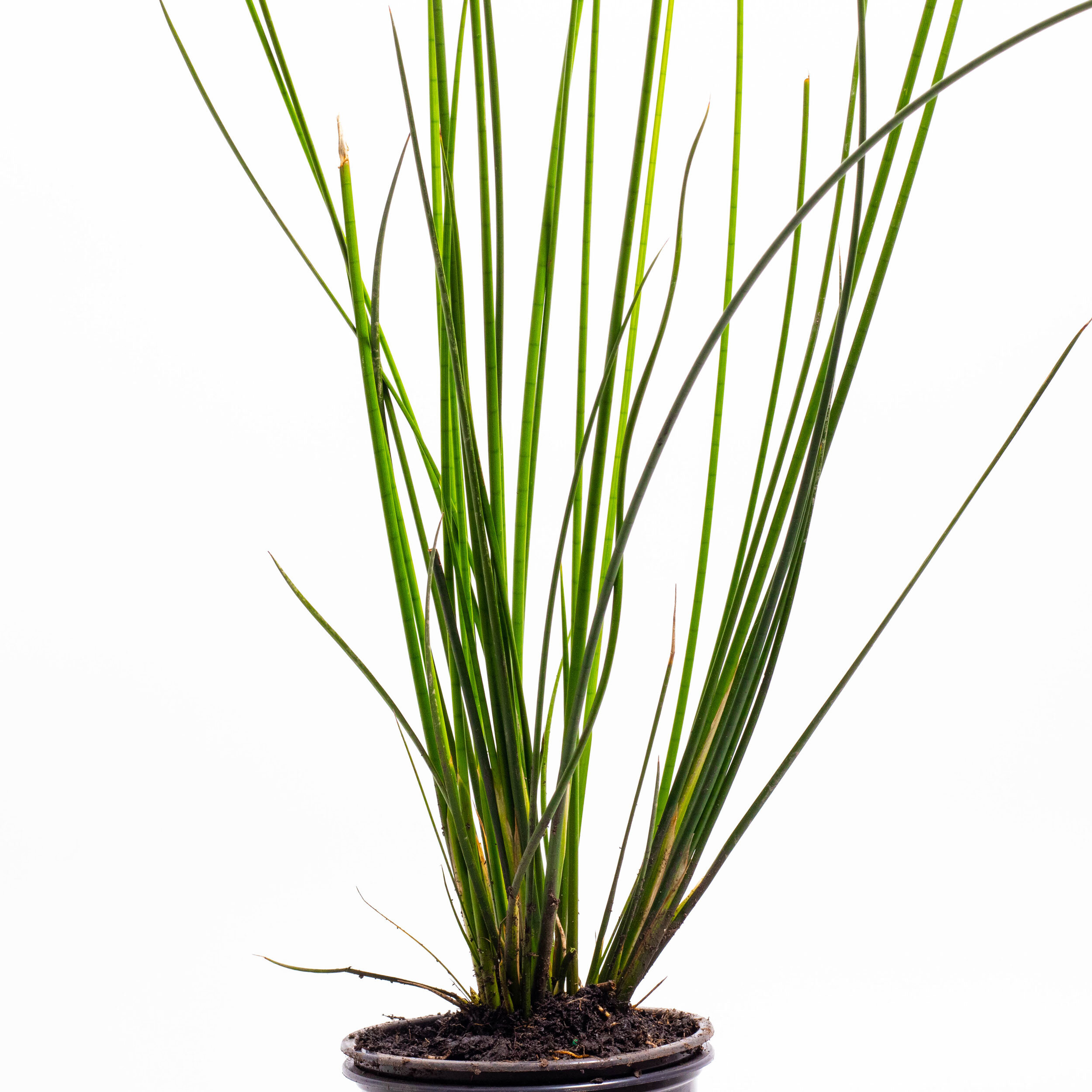
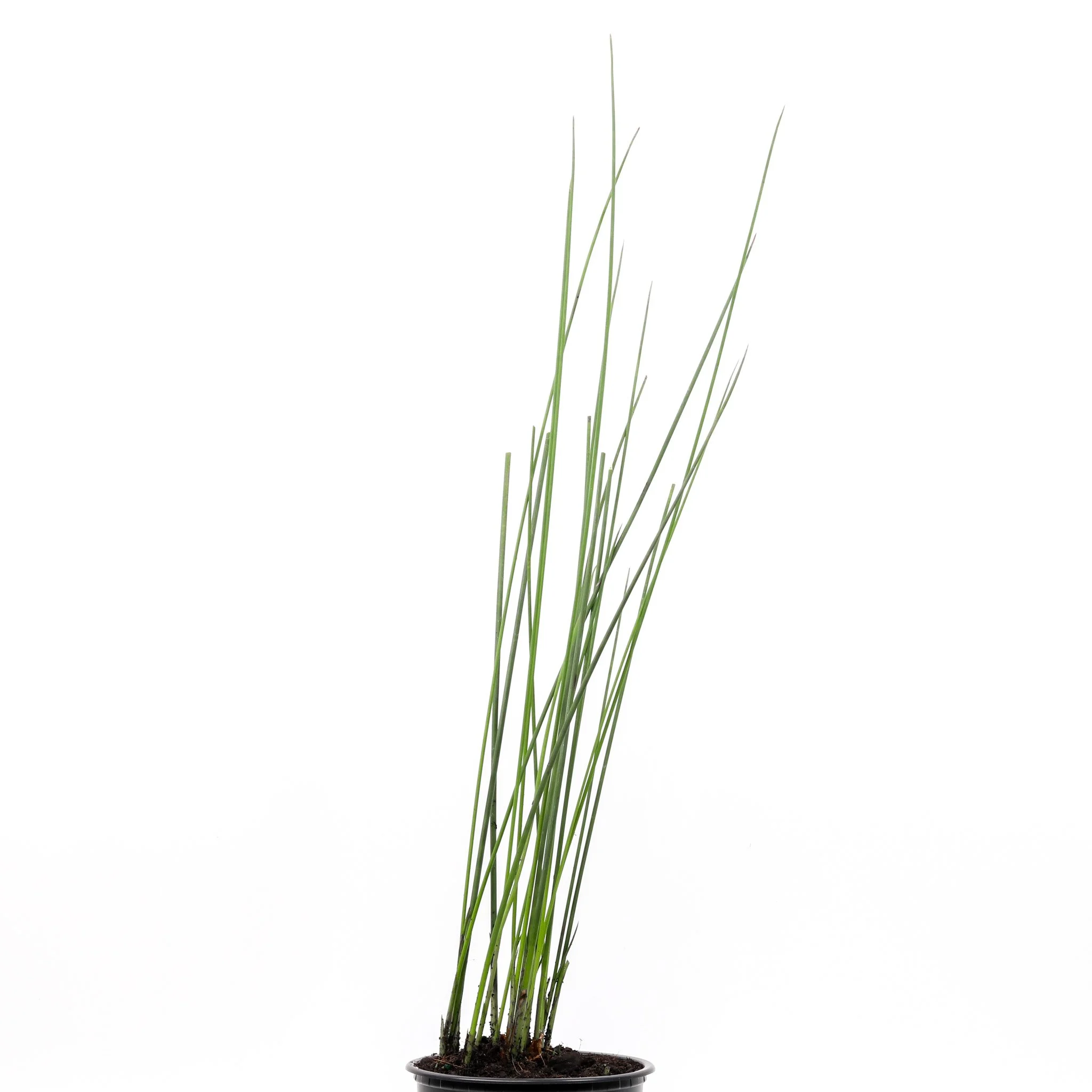
Apodasmia similis, commonly known as oioi (common name) is found throughout New Zealand in marshlands and estuaries. An elegant plant with blueish green reed like foliage with regular brownish joints running up the stems. It spreads from a creeping rhizome and grows up to 1m tall. If planted in a dry poor site, the foliage takes on an attractive yellowish coloring but growth will be slower. Ideal wetland and landscaping plant.
<
Habitat:
–––––––––--
Suits coastal conditions.
Suits brackish conditions.
Suits temperate conditions.
Suits wet conditions.
Sunlight:
–––––––––--
Prefers full sun
Application:
–––––––––--
Use in mass specimen landscape, stormwater and revegetation plantings.
Size:
–––––––––--
Mature: diameter 1m x height 1m
Planting centres: 0.5m
>