

Freshwater riparian ecosystems.

The freshwater riparian zone is the point where land interacts with freshwater ecosystems. This occurs along stream and river banks, in and around wetlands and in and around lakes and estuaries. The riparian zone is an important zone because most runoff must run over or through the soil and vegetation in this zone before it reaches the adjacent water body. It has a crucial influence on water quality, especially light and temperature as well as water flow which in turn affects the habitat of the fauna living in the water. Riparian zones therefore act as buffers which moderate the adverse effects of adjacent land use on stream, lake or estuarine systems.
Healthy ecosystems start with the right combination of plants. Here is a selection of plants from our plant library to help you start planning your ecosystem.
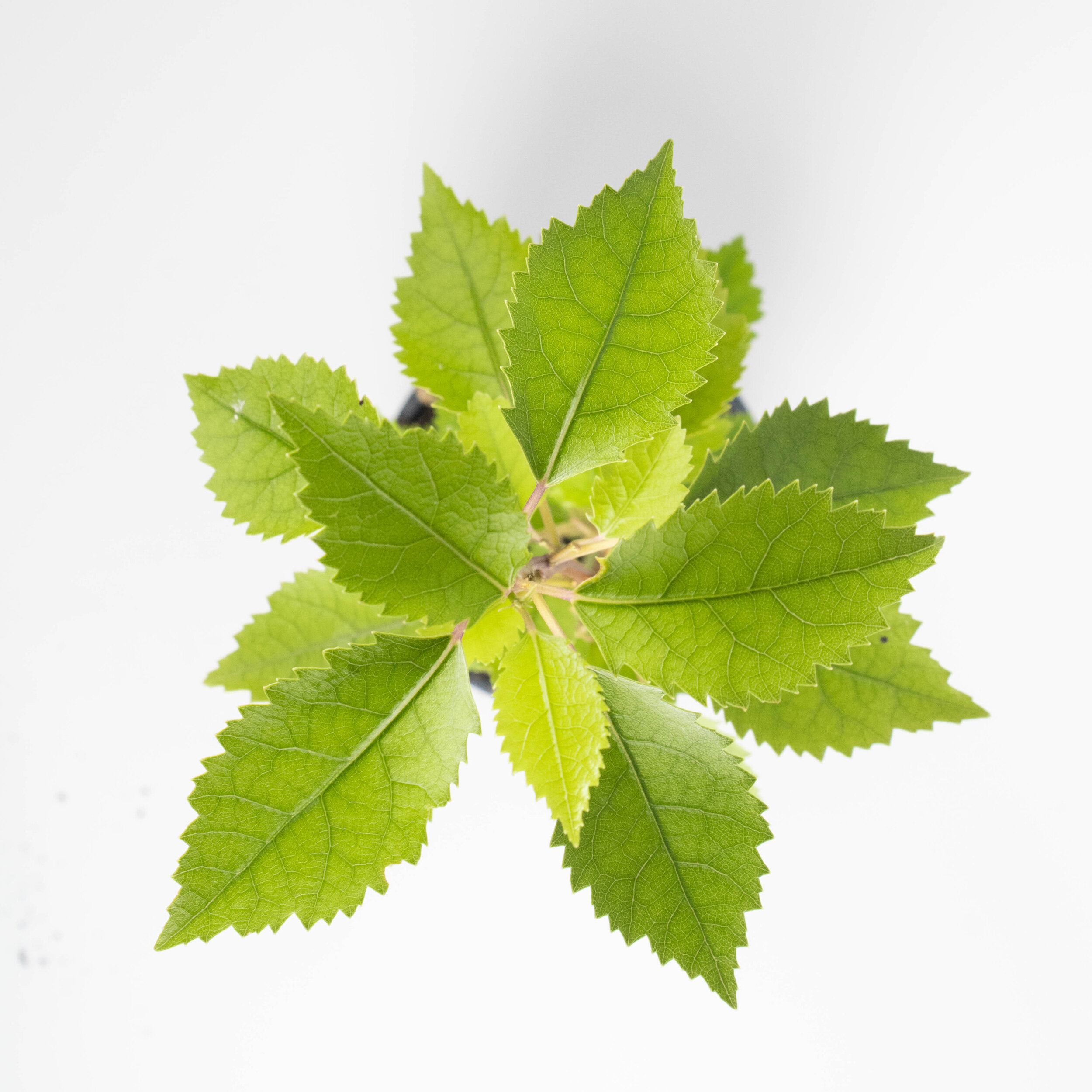
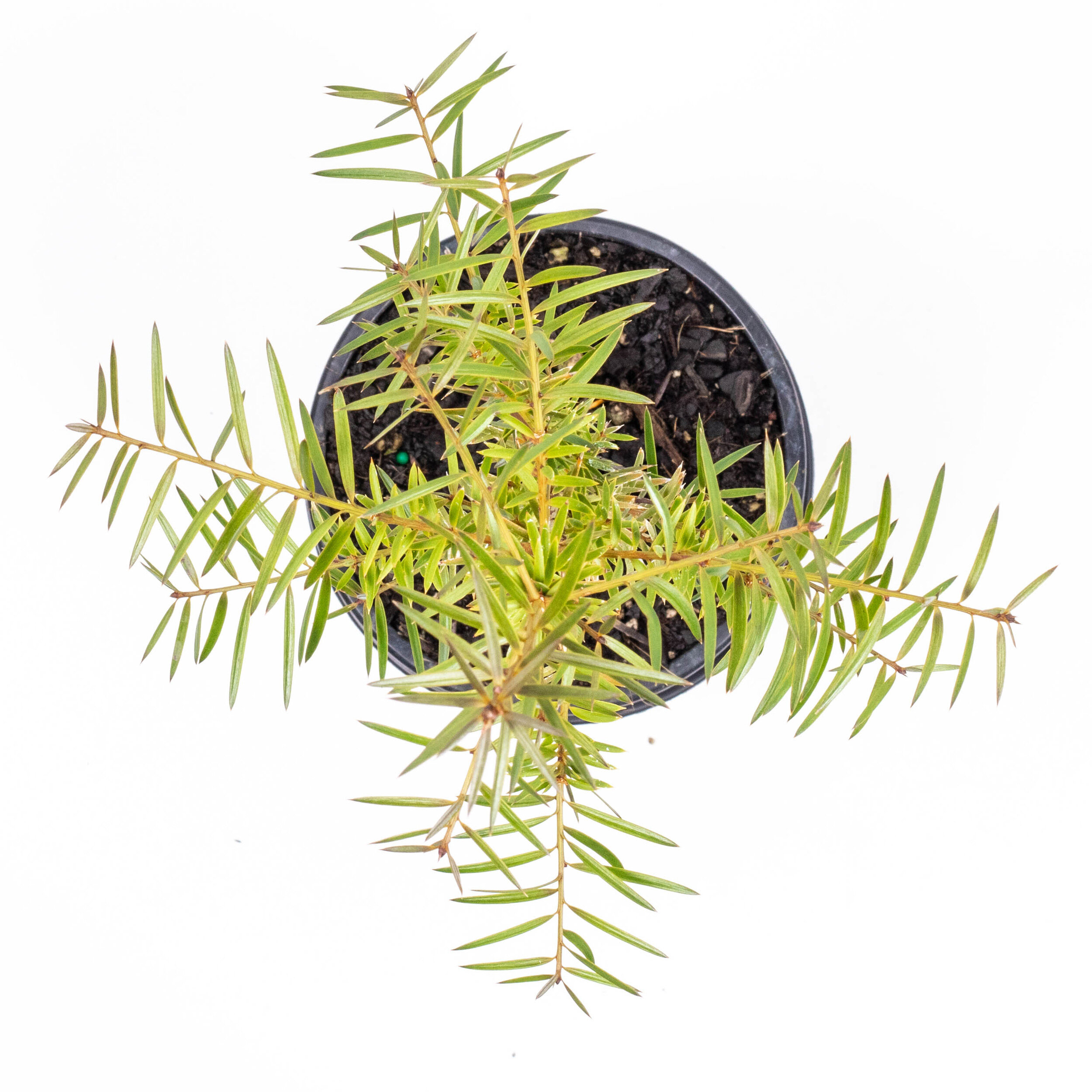
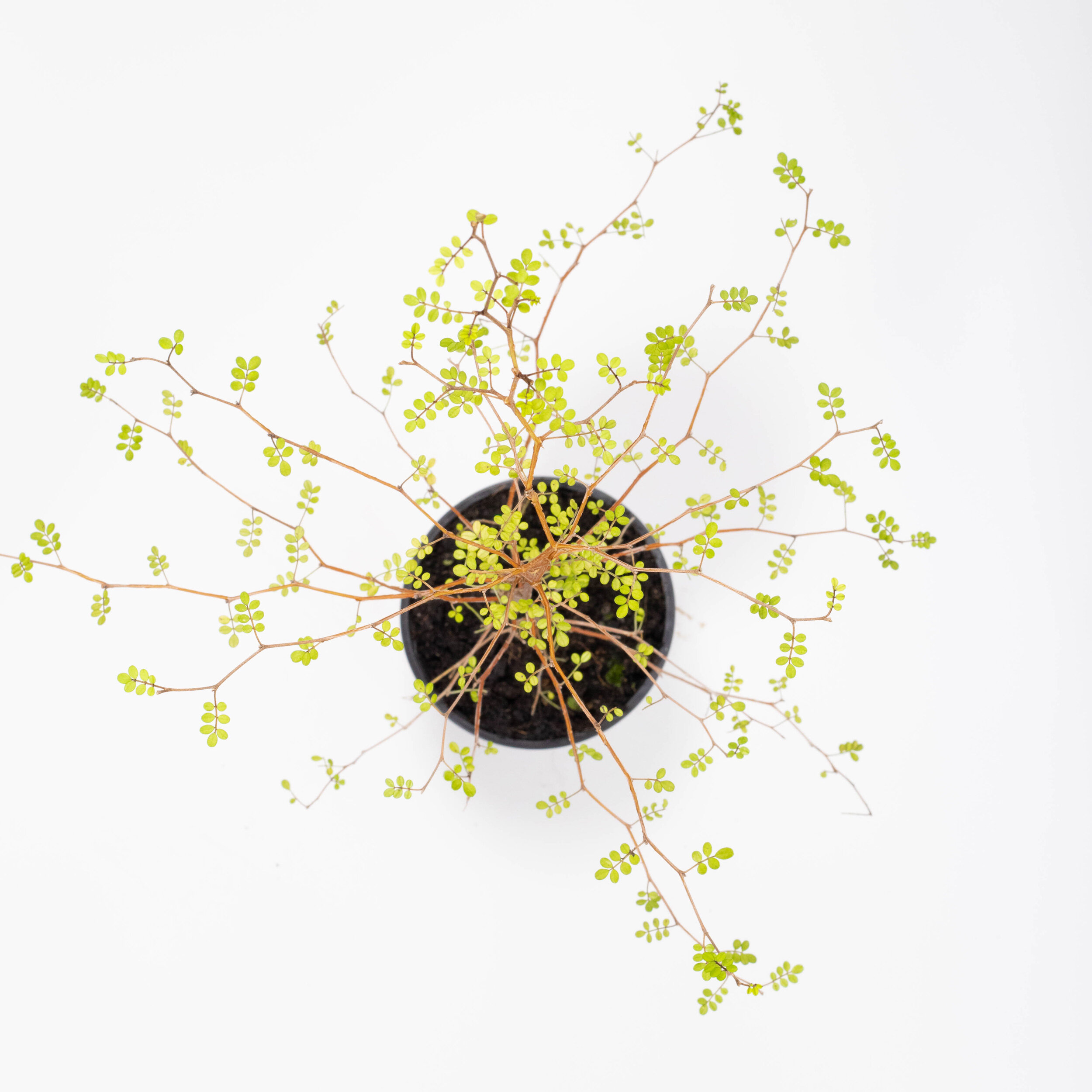
Canopy Freshwater Plants.
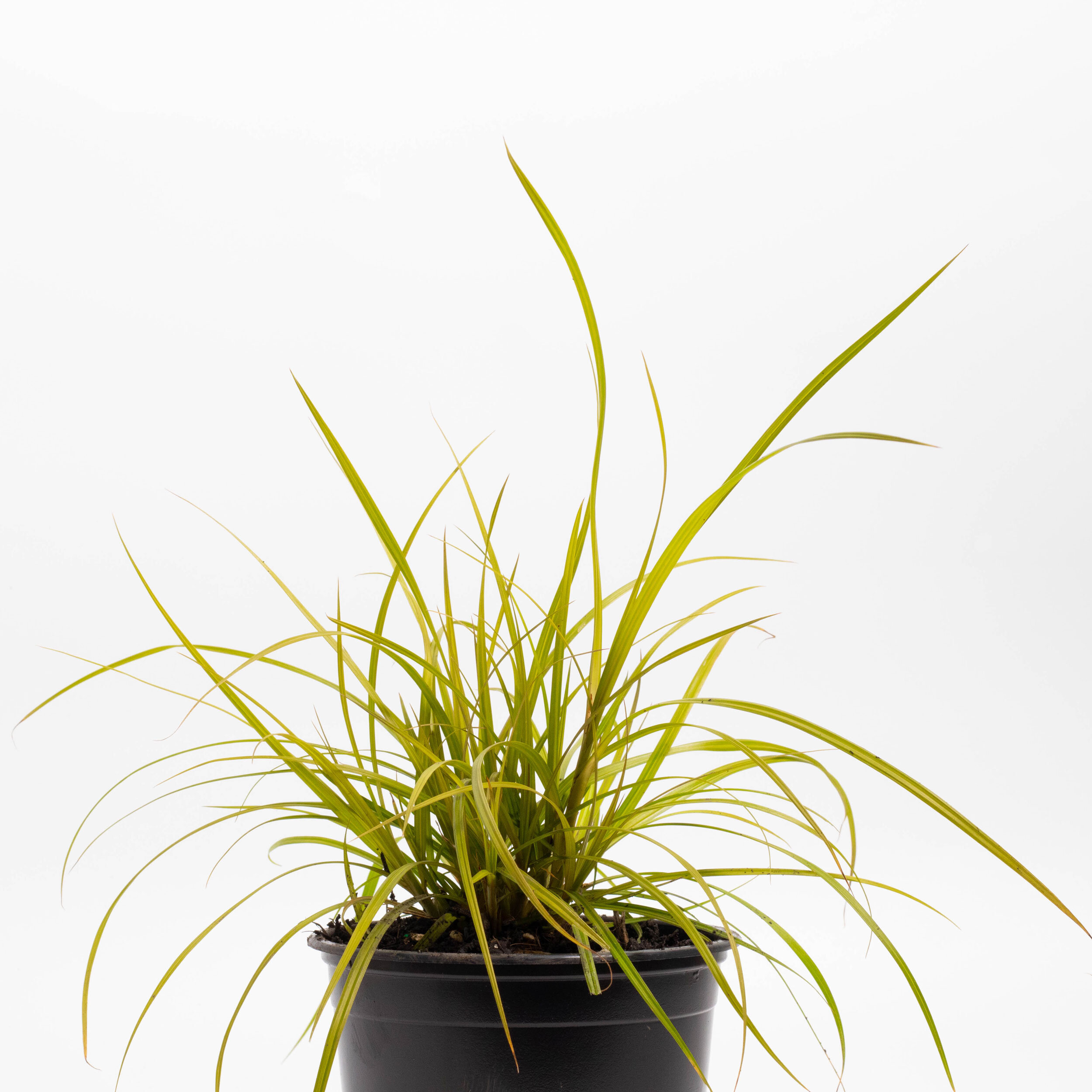
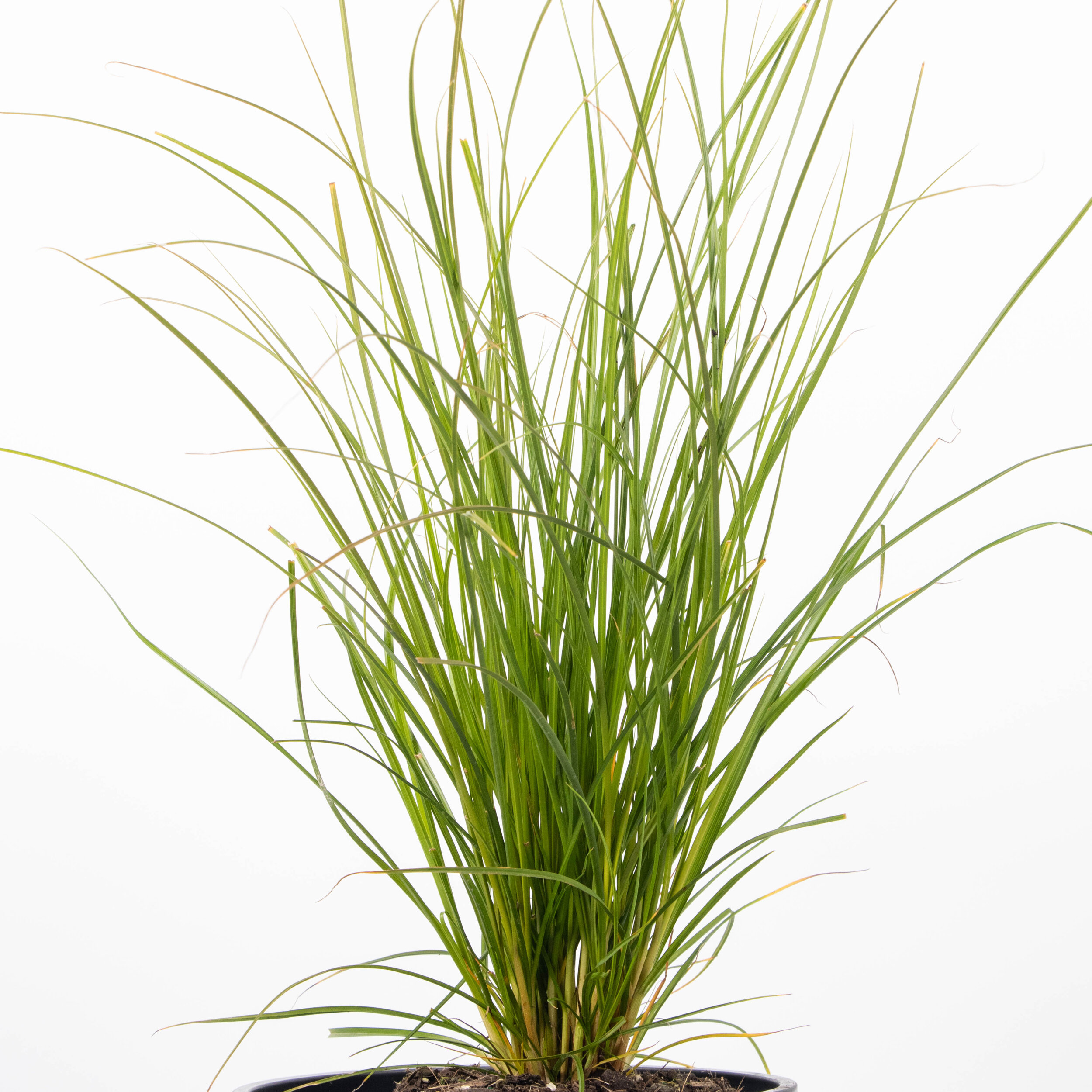
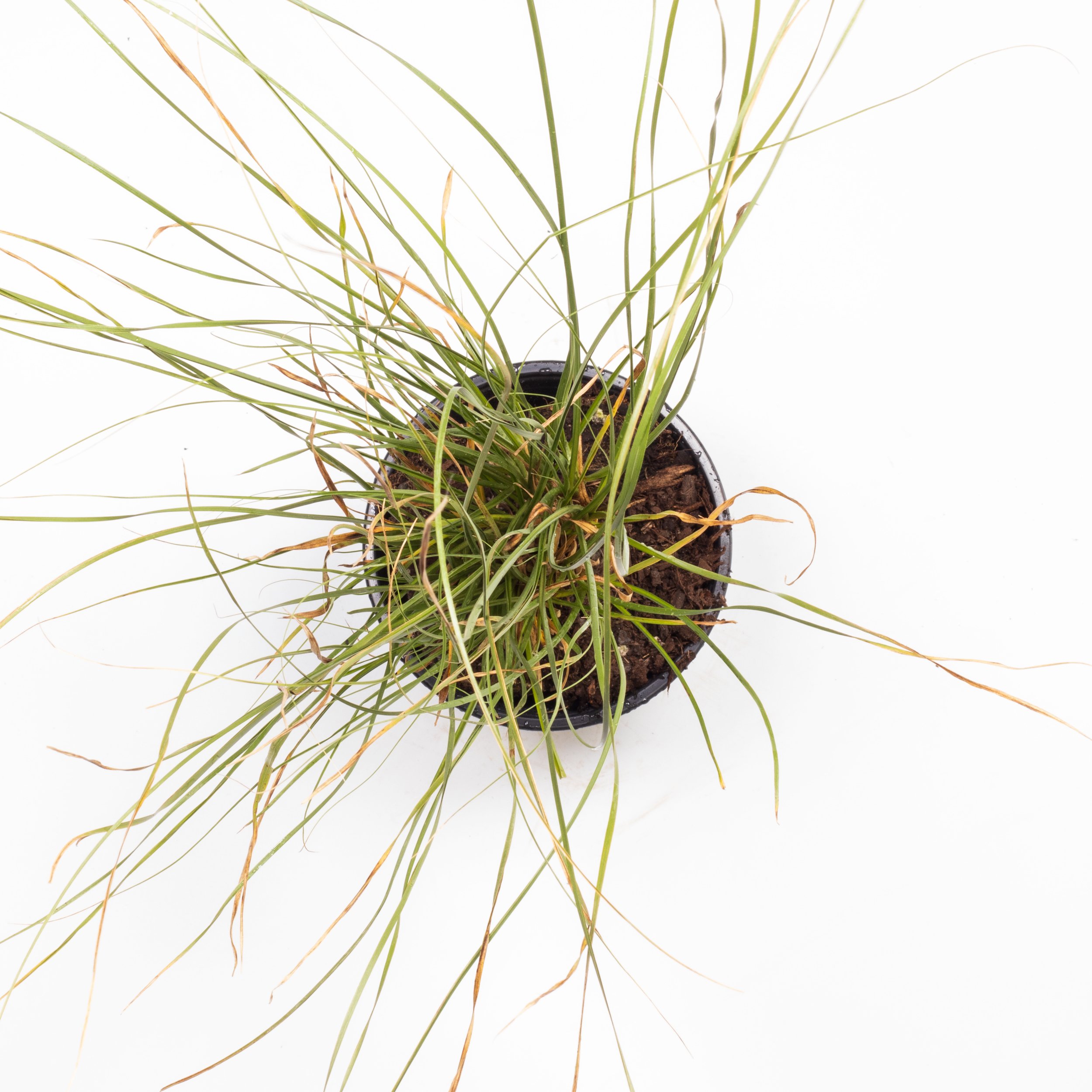
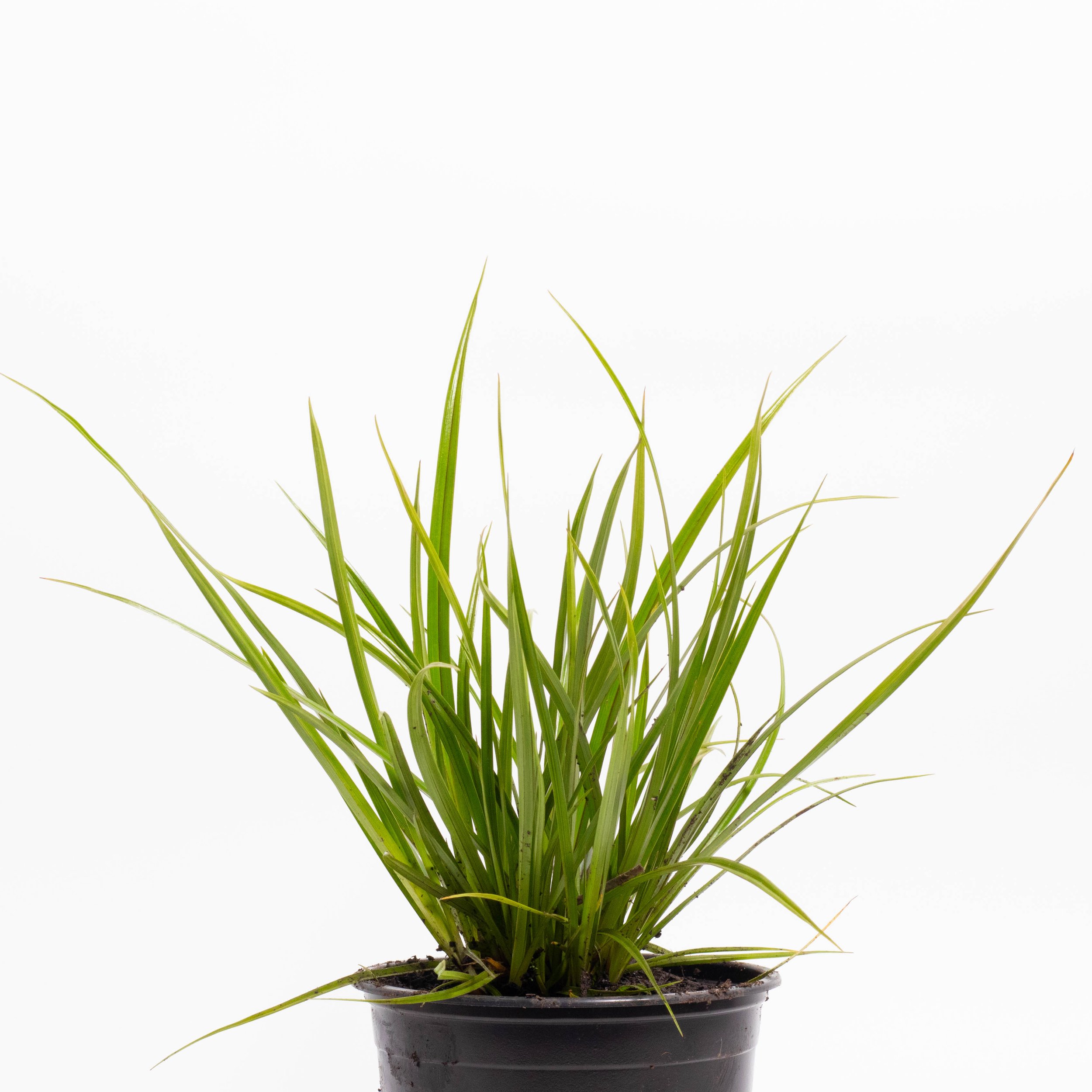
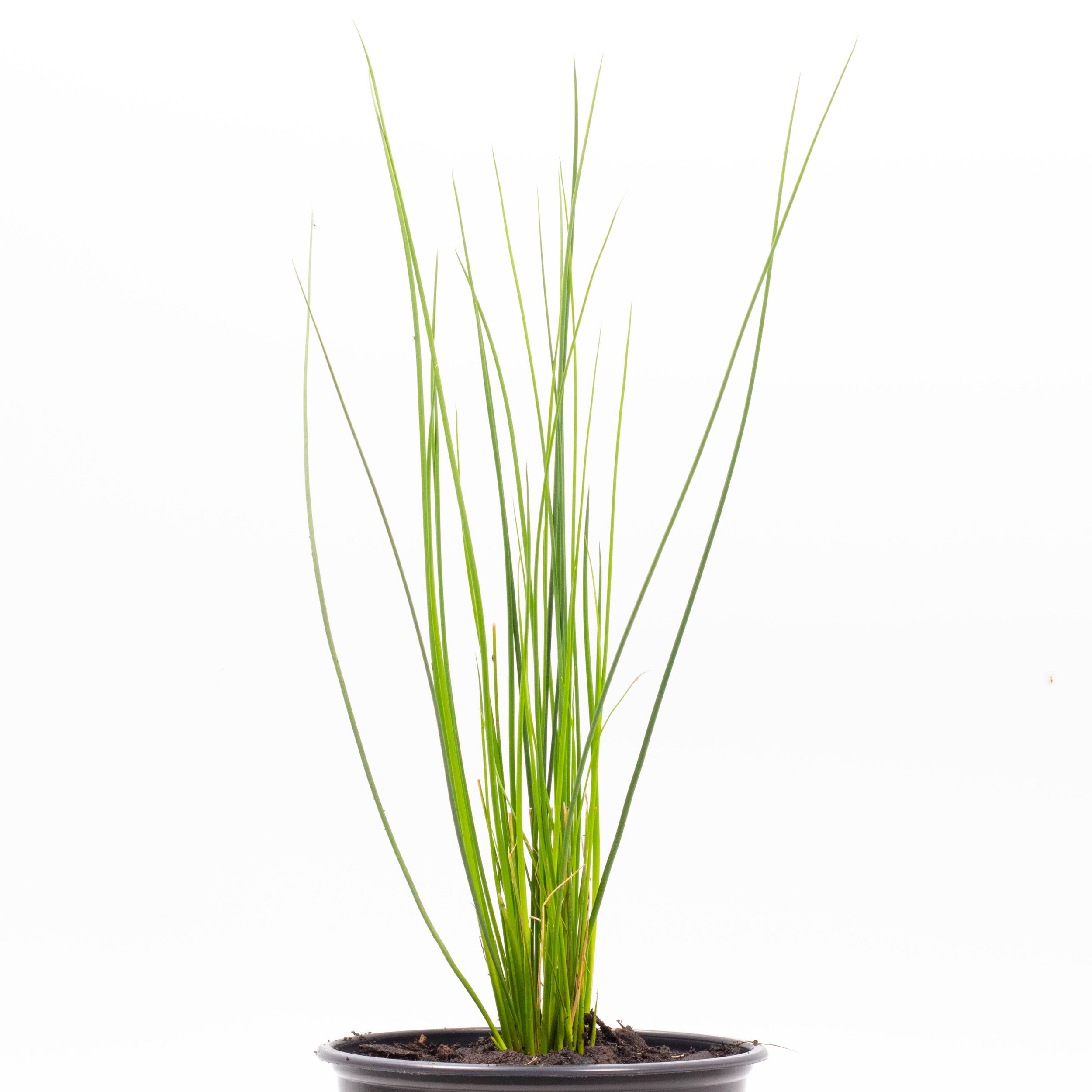
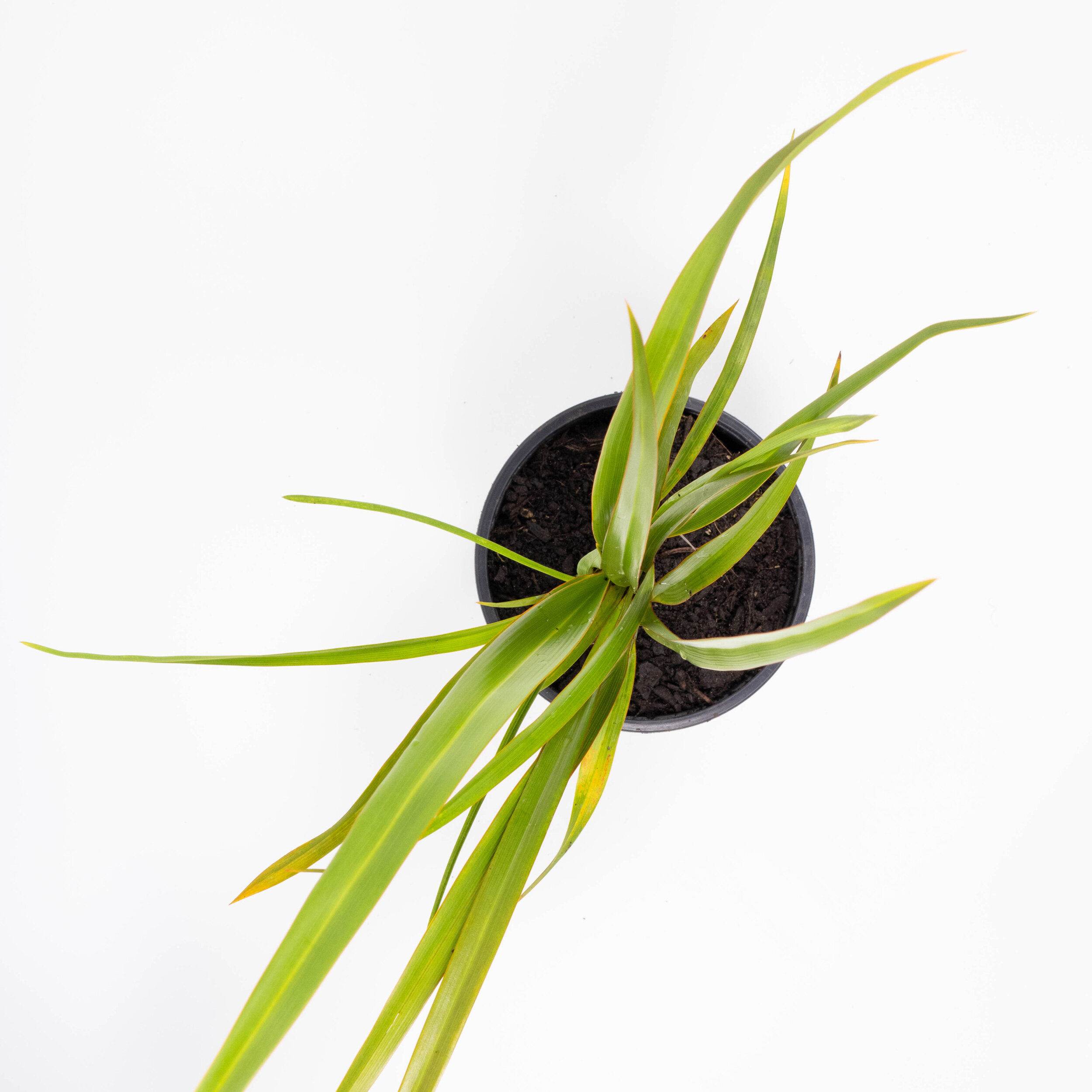
Stream Plants.
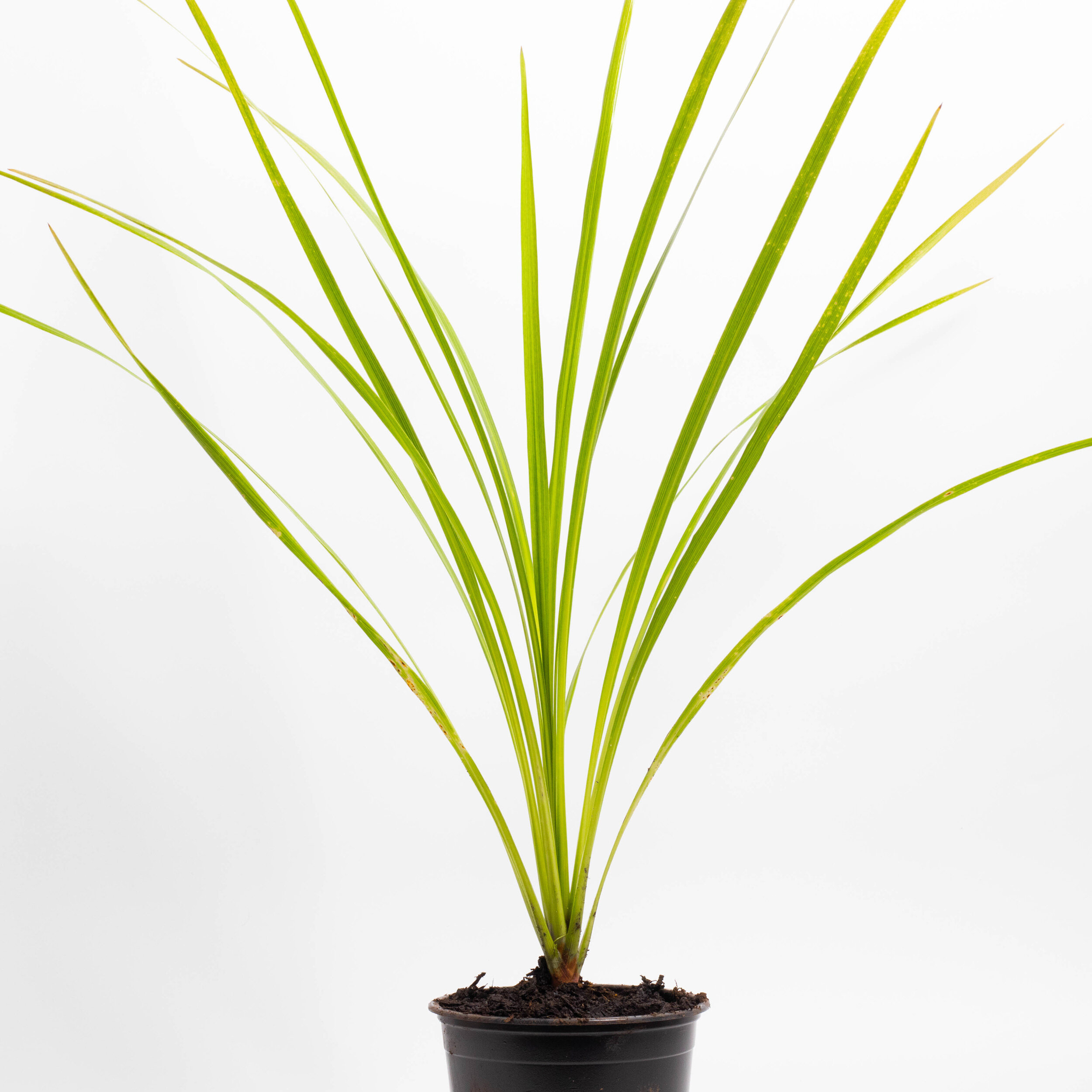
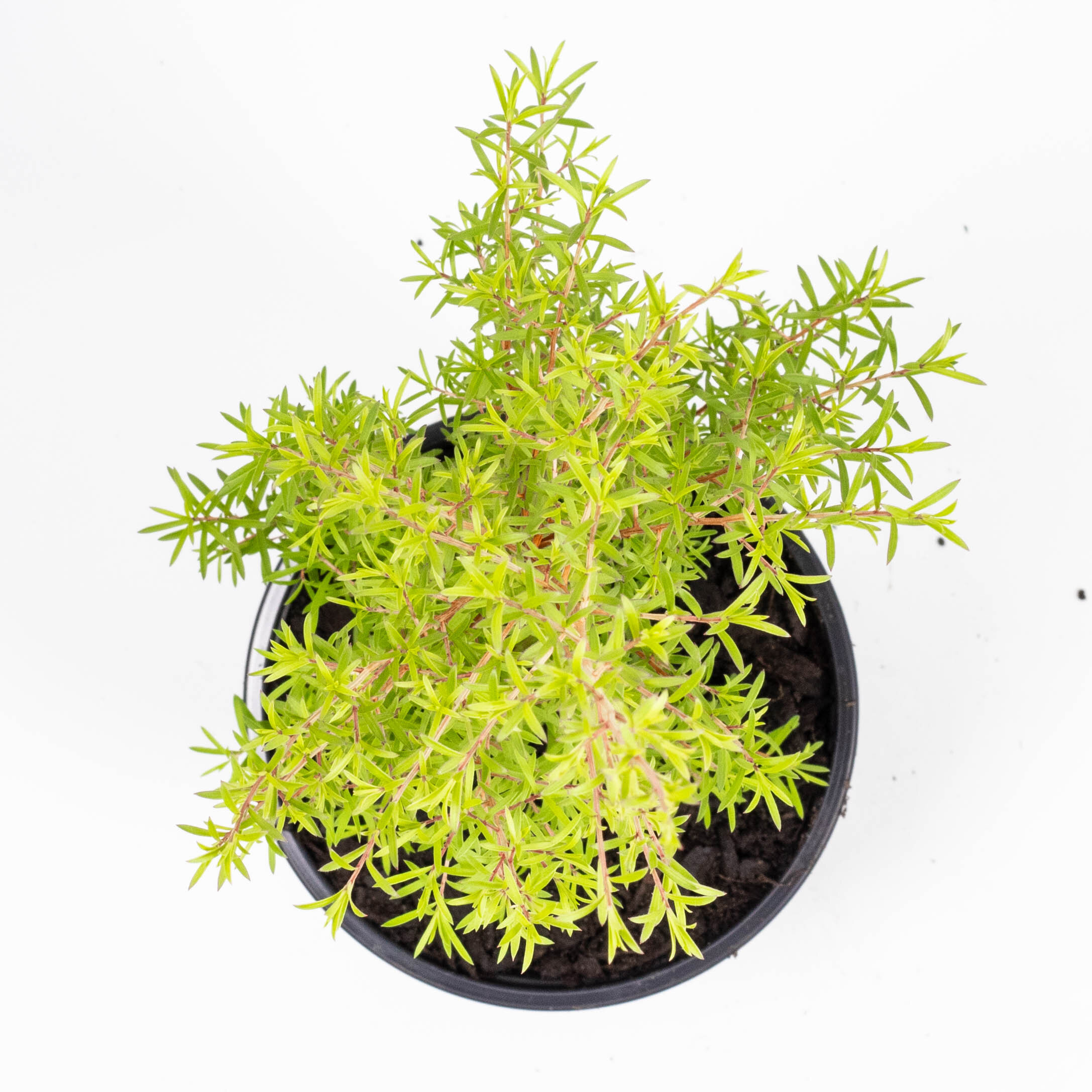
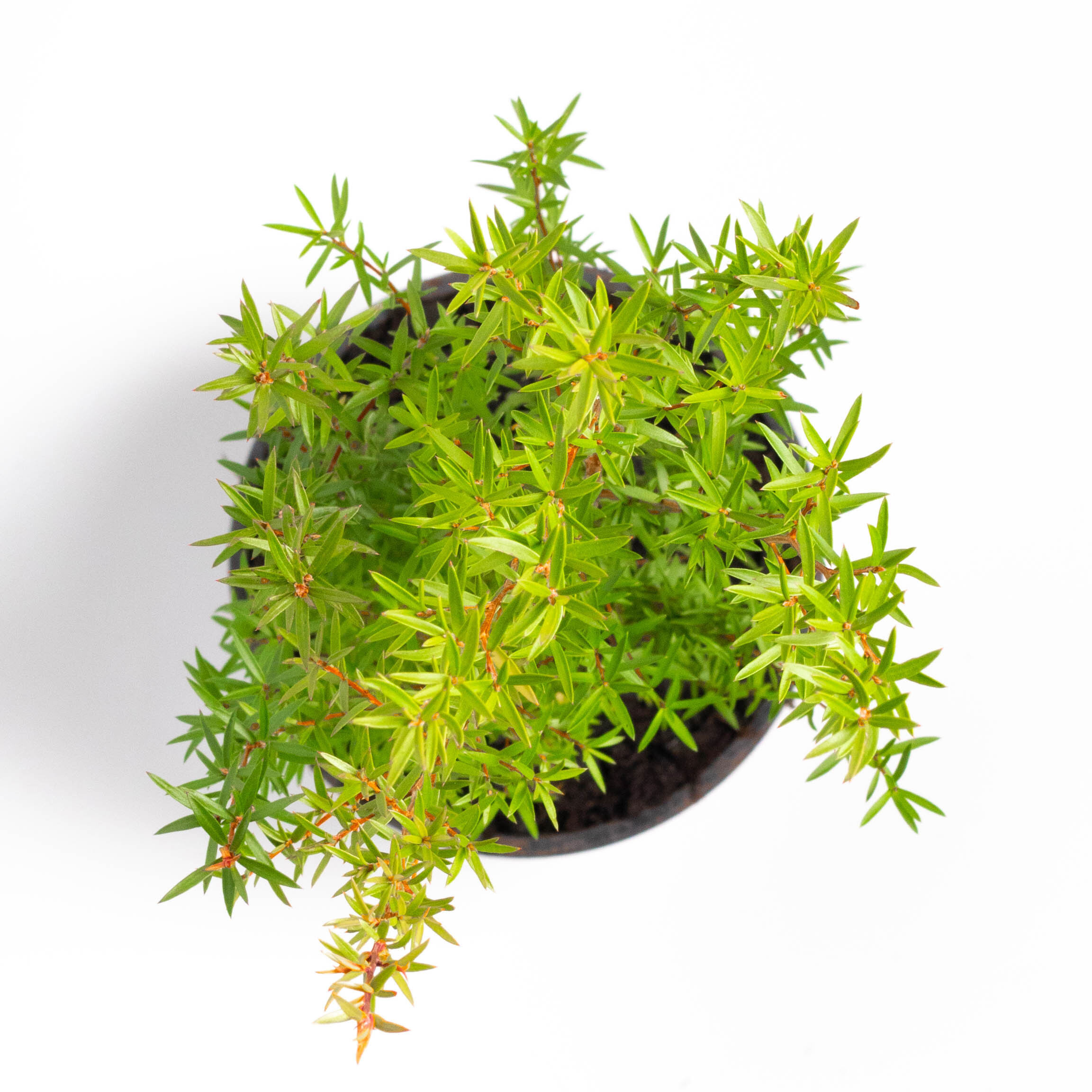
Upper Plants.


Porokaiwhiri, Pigeonwood
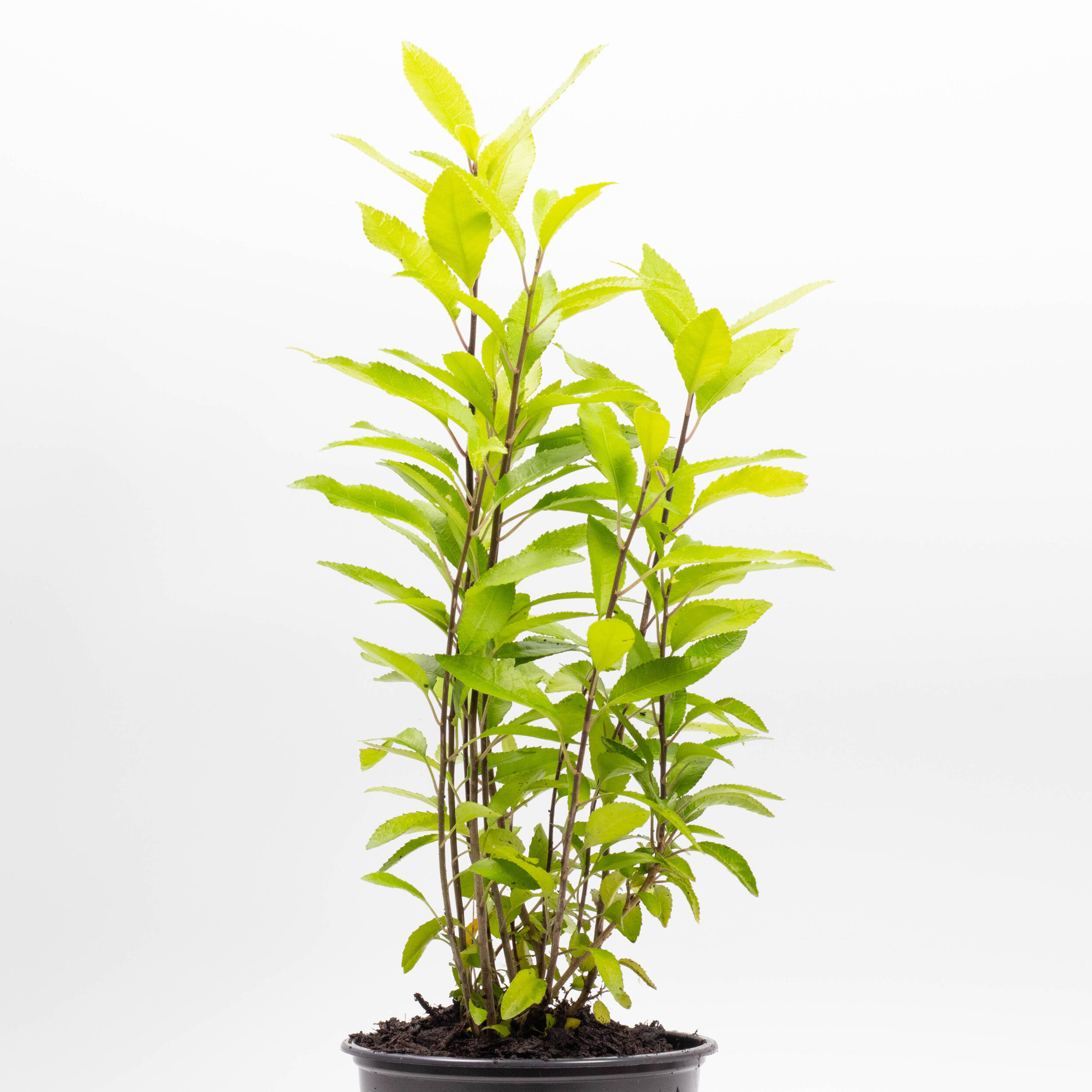
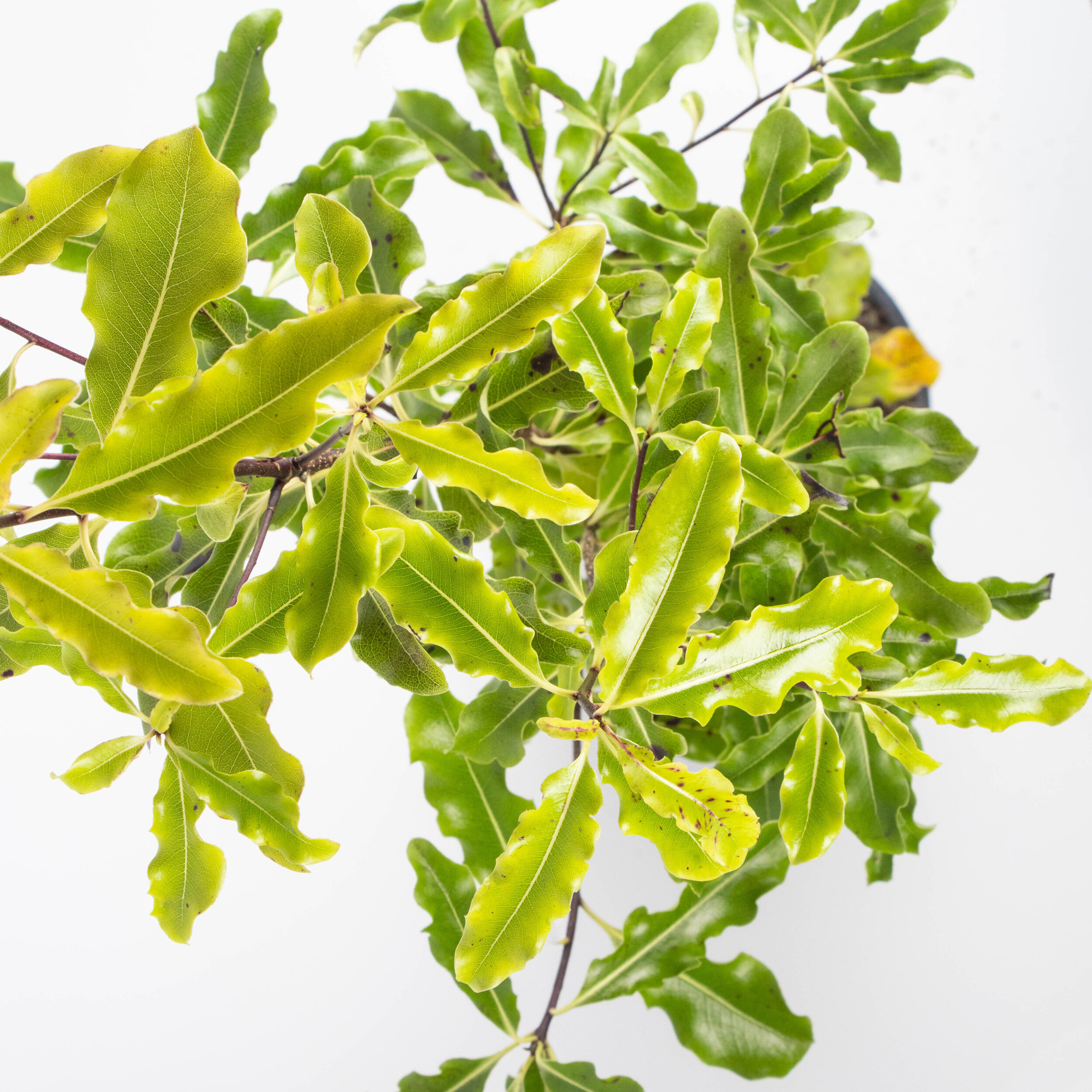
Hedycarya arborea, commonly known as pigeonwood, is found in forests throughout the North Island and as far south as Banks Peninsula. It is an attractive tree, growing 5-10m with dark green oblong leaves with shallowly serrated edges. The flowers are insignificant but fragrant, with male and female arising on seperate trees.
The bright orange red berries are a favourite of the native wood pigeon, hence the common name, but trees of both sexes are needed for the berries to be produced. Pigeonwood prefers a sheltered site with plenty of moisture and good soil in semi-shade. Frost tender when young. Propagation by seed or cuttings.
<
Habitat:
–––––––––--
Suits temperate conditions.
Sunlight:
–––––––––--
Prefers full sun.
Application:
–––––––––--
Use in single specimen amenity plantings.
Use in revegetation plantings.
Size:
–––––––––--
Mature: diameter 3m x height 10m
Planting centres: 1.5m
>