
Coastal ecosystems.
These environments are created largely through shoreline processes - such as inundation or exposure to salt water and onshore flow of salt laden winds, movement of sand by winds, and brackish basal groundwater.
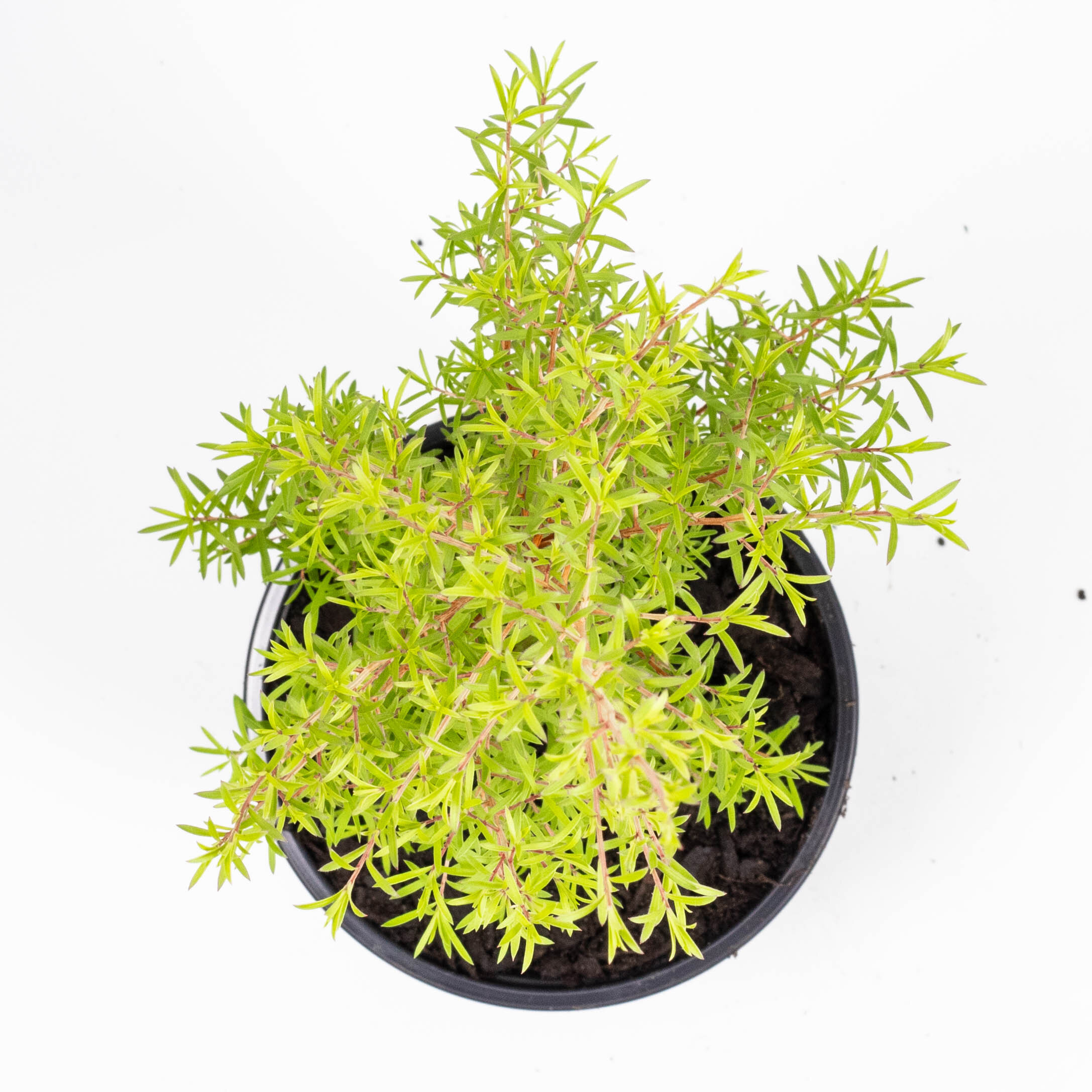
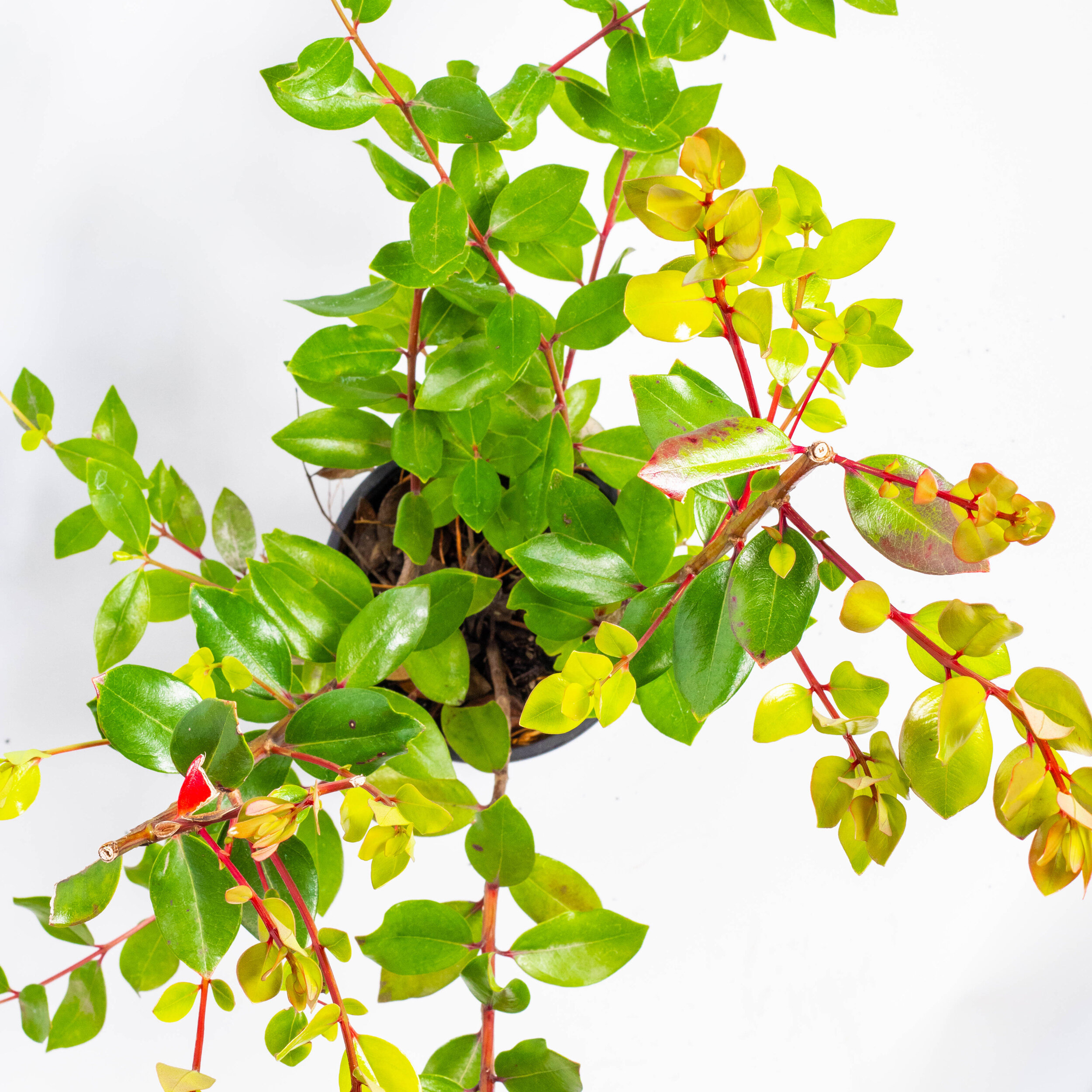
Widespread, common tree of North and South Islands. Bark usually basally detached long leathery strips. Branches bearing masses of green leaves and clusters of small white flowers. Branchlets usually copiously covered in silky, appressed hairs. Leaves variable in size, soft to grasp. Flowers borne in ‘corymbiform’ clusters, white with a red centre. Fruit a small dry capsule.
Bark is stringy, or coarsely tessellated, coriaceous, firmly attached above, detaching basally, often hanging semidetached; peeling upwards along trunk in narrow to broad, tabular strips. Branches initially erect, soon arching outwards and spreading; branchlets numerous, slender; sericeous, indumentum copious, hairs either long or short antrorse-appressed.
<
Habitat:
–––––––––--
Suits temperate conditions.
Suits coastal conditions.
Suits montane conditions.
Sunlight:
–––––––––--
Prefers full sun.
Application:
–––––––––--
Use in revegetation plantings.
Use in hedgerow and shelter belt plantings.
Size:
–––––––––--
Mature: diameter 4m x height 10m
Planting centres: 1.5m
>
Metrosideros excelsa, commonly known as pohutukawa, seems to epitomise the New Zealand summer lifestyle, conjuring up pictures of sunny sandy beaches overhung with the ‘Christmas tree’s’ spreading branches atop splendid gnarled trunks. Pohutukawa is very much a tree of coastal areas, where it is often seen clinging to barren cliffs .
Flowers cover the tree in early summer, ranging from vivid red to crimson in colour, and the nectar produced in cups at the base of the flowers is a favourite with birds. Before opening, the tight buds are grey and felted in appearance. The young leaves are soft and light green, with white tomentum beneath, before becoming dark green and leathery.
Pohutukawa can grow to 15m or more but will retain a moderate height with shrubbery growth for many years. It is an extremely tough tree tolerant of salt laden winds, so is an excellent choice for coastal planting, dry sunny places, and in poor soil. Young plants can suffer frost damage.
Pohutukawa can be pruned for hedging or to contain its size. In recent years opossums have decimated pohutukawa, and project crimson is a planting and protection programme inspired by the department of conservation and aimed at preserving this very special tree.
<
Habitat:
–––––––––--
Suits temperate conditions
Suits coastal conditions
Sunlight:
–––––––––--
Prefers semi shade.
Application:
–––––––––--
Use in single specimen amenity planting
Use in revegetation planting
Size:
–––––––––--
Mature: diameter 10m x height 12m+
Planting centres: 3m
>
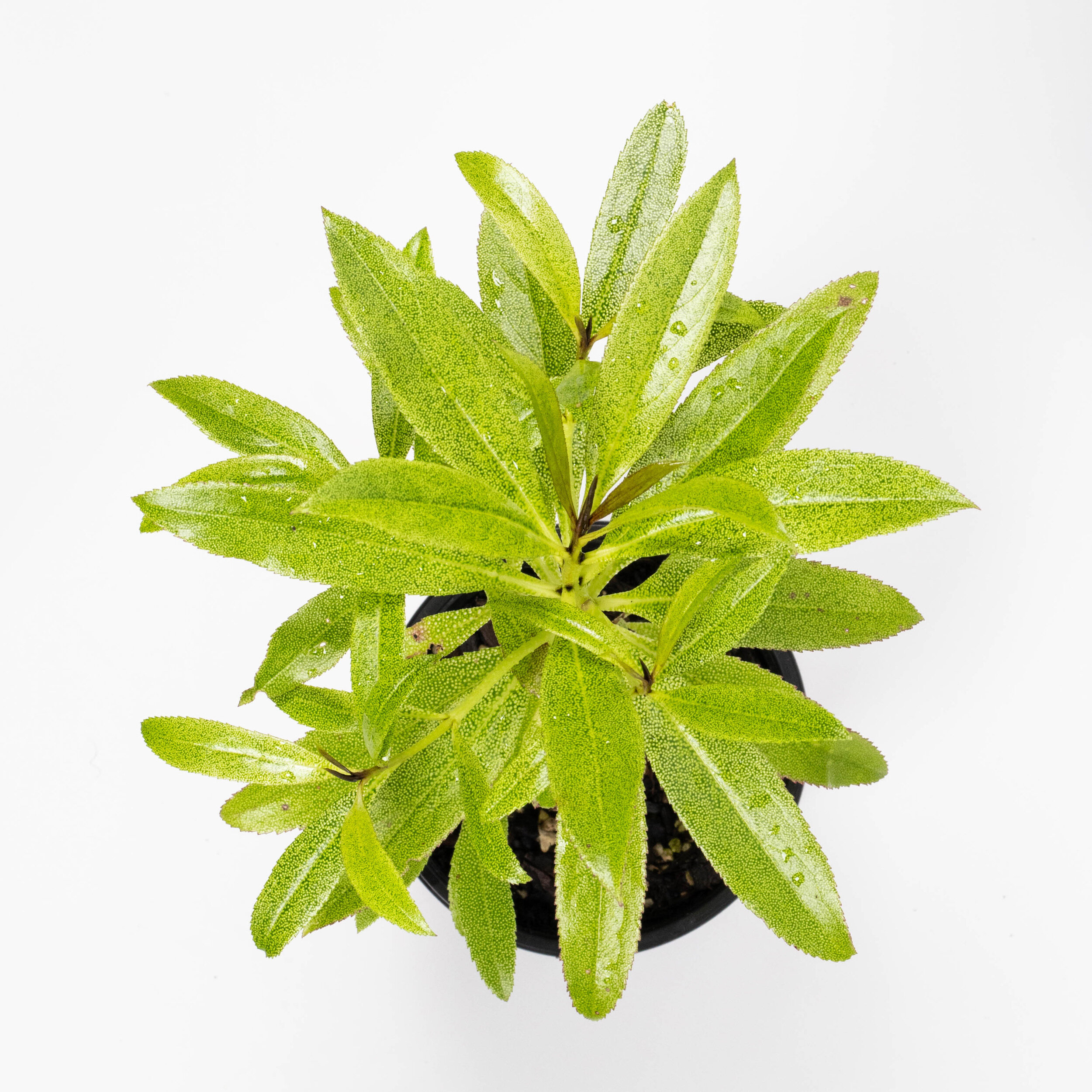
Myoporum, commonly known as ngaio, is a shrubby tree found in coastal areas throughout the North Island and the South Island as far south as Otago. It forms an attractive rounded tree, growing to 6m in height, with bright green lance shaped that are dotted with oil glands.
The small white flowers have purple markings and appear in summer. It is quick growing, hardy and happy in most conditions. Ngaio is an excellent tree for revegetation especially in coastal or drier regions and where shelter is required. The plant is poisonous to livestock.
<
Habitat:
–––––––––--
Suits temperate conditions.
Suits coastal conditions.
Sunlight:
–––––––––--
Prefers full sun.
Application:
–––––––––--
Use in hedgerow and shelter belt plantings
Use in revegetation plantings.
Size:
–––––––––--
Mature: diameter 5m x height 6m
Planting centres: 1.5m
>
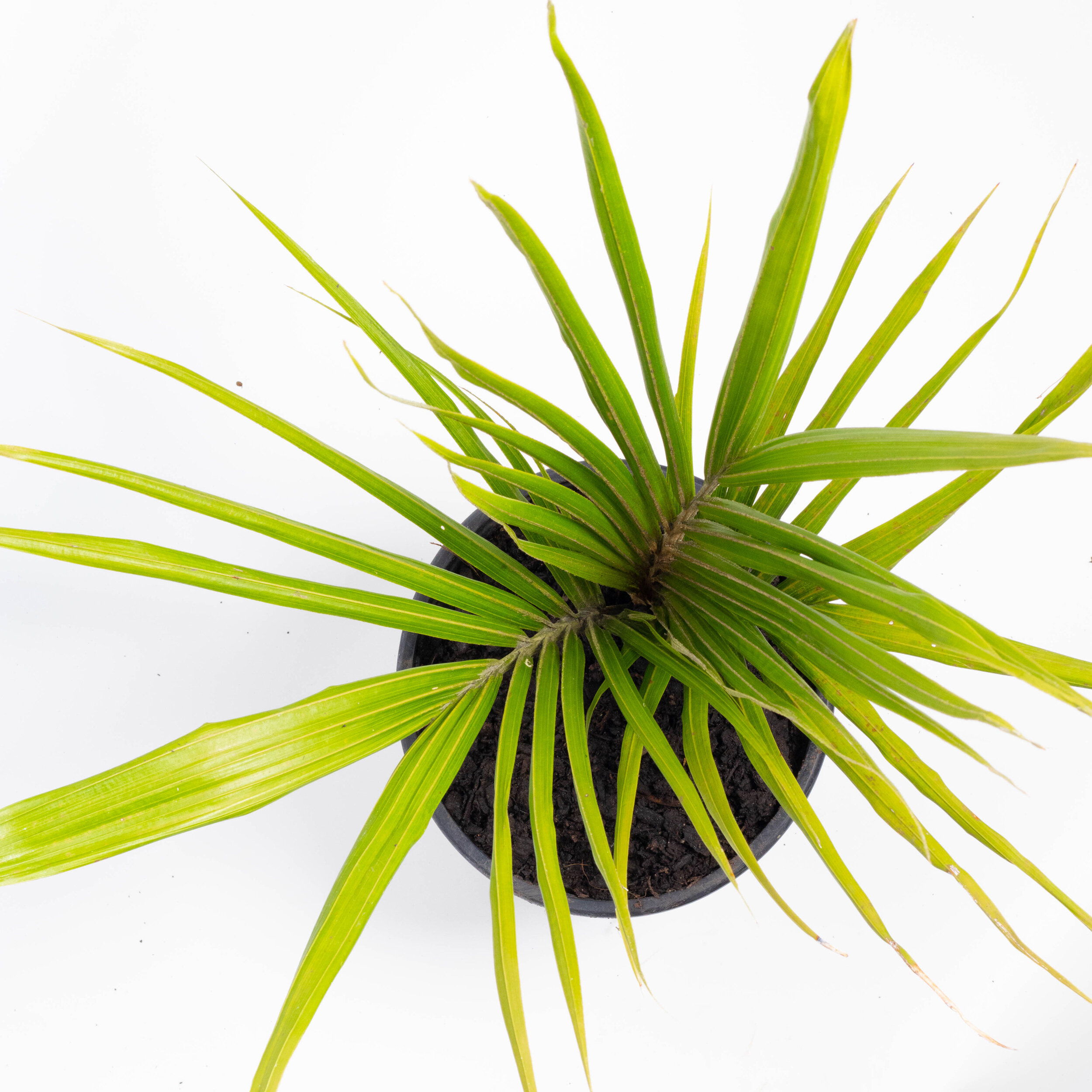
Rhopalostylis sapida, commonly known as nikau, is a palm type plant found in lowland forests throughout the North Island and in the South Island to Banks Peninsula in the east and Greymouth in the west. It is very slow growing but can eventually reach a height of 10m or more in the wild. The fronds emerge from bulbous sheaths atop a single trunk that is ringed with the scars of fallen leaves.
Flowering doesn’t commence until a tree is about 30 years old. At this time large spiky inflorescences containing tiny pinkish purple flowers hang down from below the base of the leaves. The flowers are followed by bright red fruits that take a year to ripen.
Nikau needs a shady sheltered site, preferably among other trees in a deep moist soil, and can tolerate only the lightest frosts. Its exotic appearance makes it an excellent choice for a tropical planting or in a native grove. It looks particularly good when planted in groups. Propagation by seed.
<
Habitat:
–––––––––--
Suits temperate conditions.
Suits coastal conditions.
Sunlight:
–––––––––--
Prefers semi shade.
Application:
–––––––––--
Use in single specimen amenity planting.
Use in revegetation planting.
Size:
–––––––––--
Mature: diameter 2m x height 7m
Planting centres: 1.5m
>
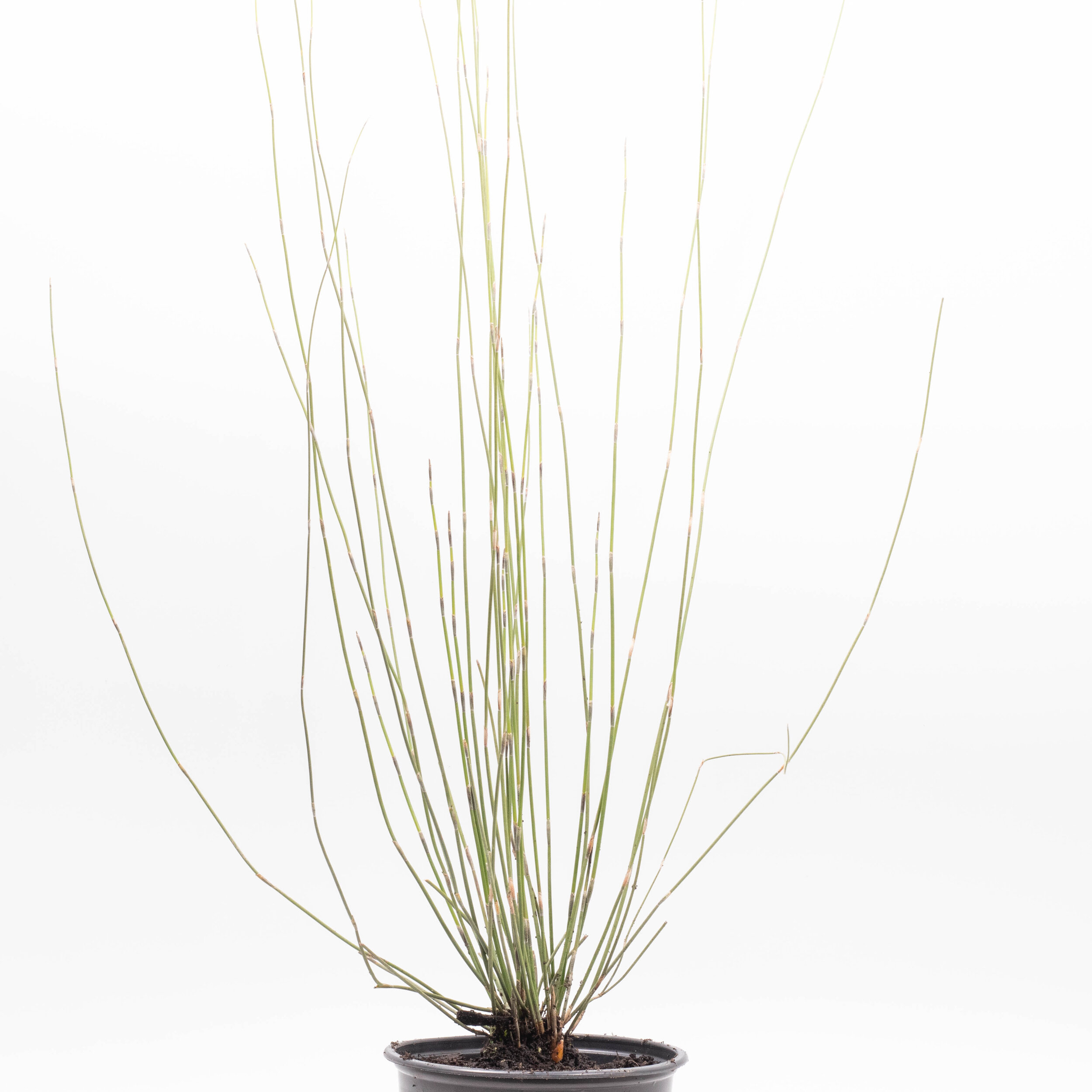
Apodasmia similis, commonly known as oioi (common name) is found throughout New Zealand in marshlands and estuaries. An elegant plant with blueish green reed like foliage with regular brownish joints running up the stems. It spreads from a creeping rhizome and grows up to 1m tall. If planted in a dry poor site, the foliage takes on an attractive yellowish coloring but growth will be slower. Ideal wetland and landscaping plant.
<
Habitat:
–––––––––--
Suits coastal conditions.
Suits brackish conditions.
Suits temperate conditions.
Suits wet conditions.
Sunlight:
–––––––––--
Prefers full sun
Application:
–––––––––--
Use in mass specimen landscape, stormwater and revegetation plantings.
Size:
–––––––––--
Mature: diameter 1m x height 1m
Planting centres: 0.5m
>
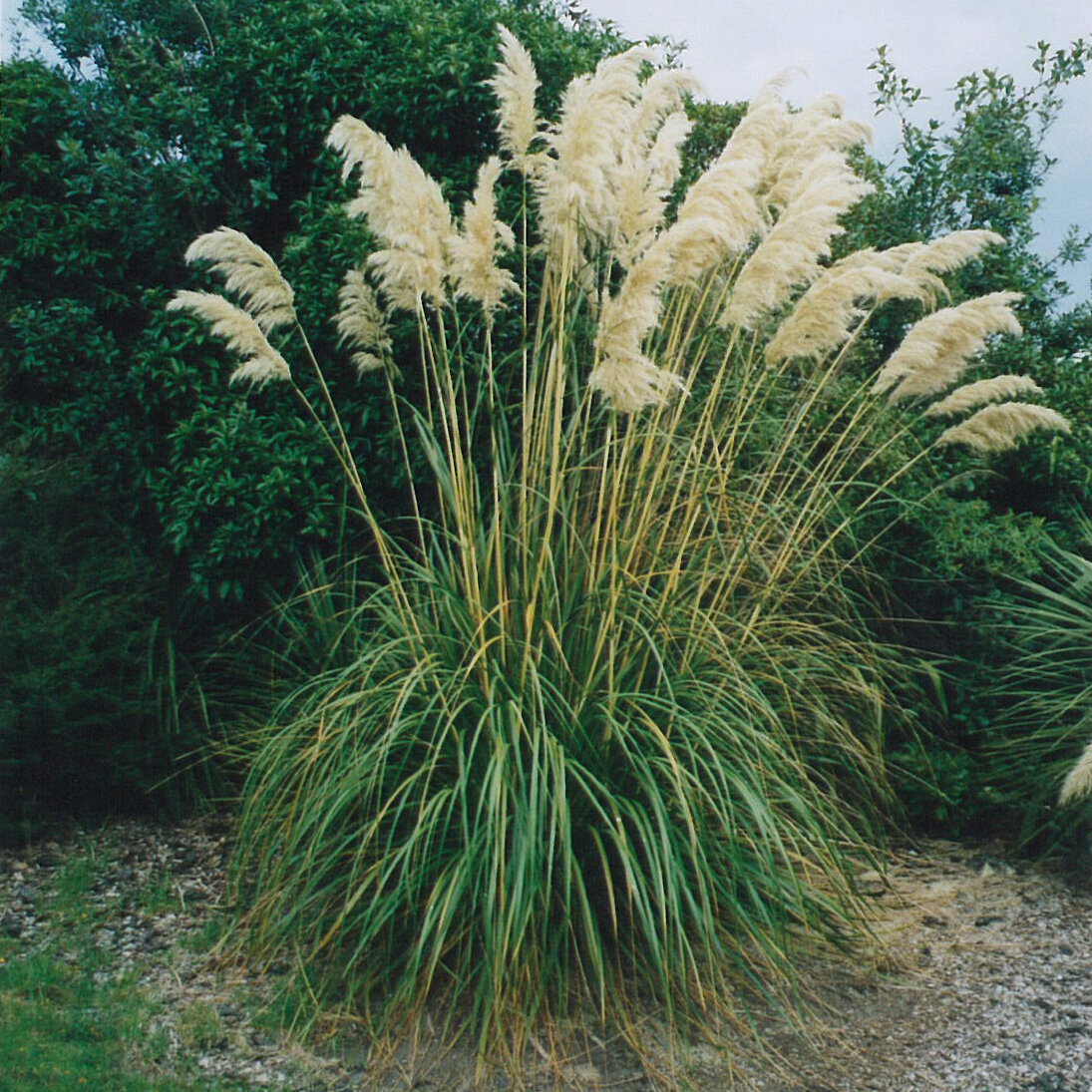
Cortaderia splendens is a majestic grass which can be up to 6m tall when flowering. The leaves are as much as 5cm wide and 3m long, and the edges are not as sharp as the other species. It has dense creamy gold flowering plumes up to 75cm long, which may be erect or arching. This species is found in coastal areas of the upper North Island and offshore islands.
<
Habitat:
–––––––––--
Suits temperate conditions.
Suits coastal conditions.
Sunlight:
–––––––––--
Prefers full sun.
Application:
–––––––––--
Use in coastal revegetation planting.
Size:
–––––––––--
Mature: diameter 2m x height 2m
Planting centres: 1m
>
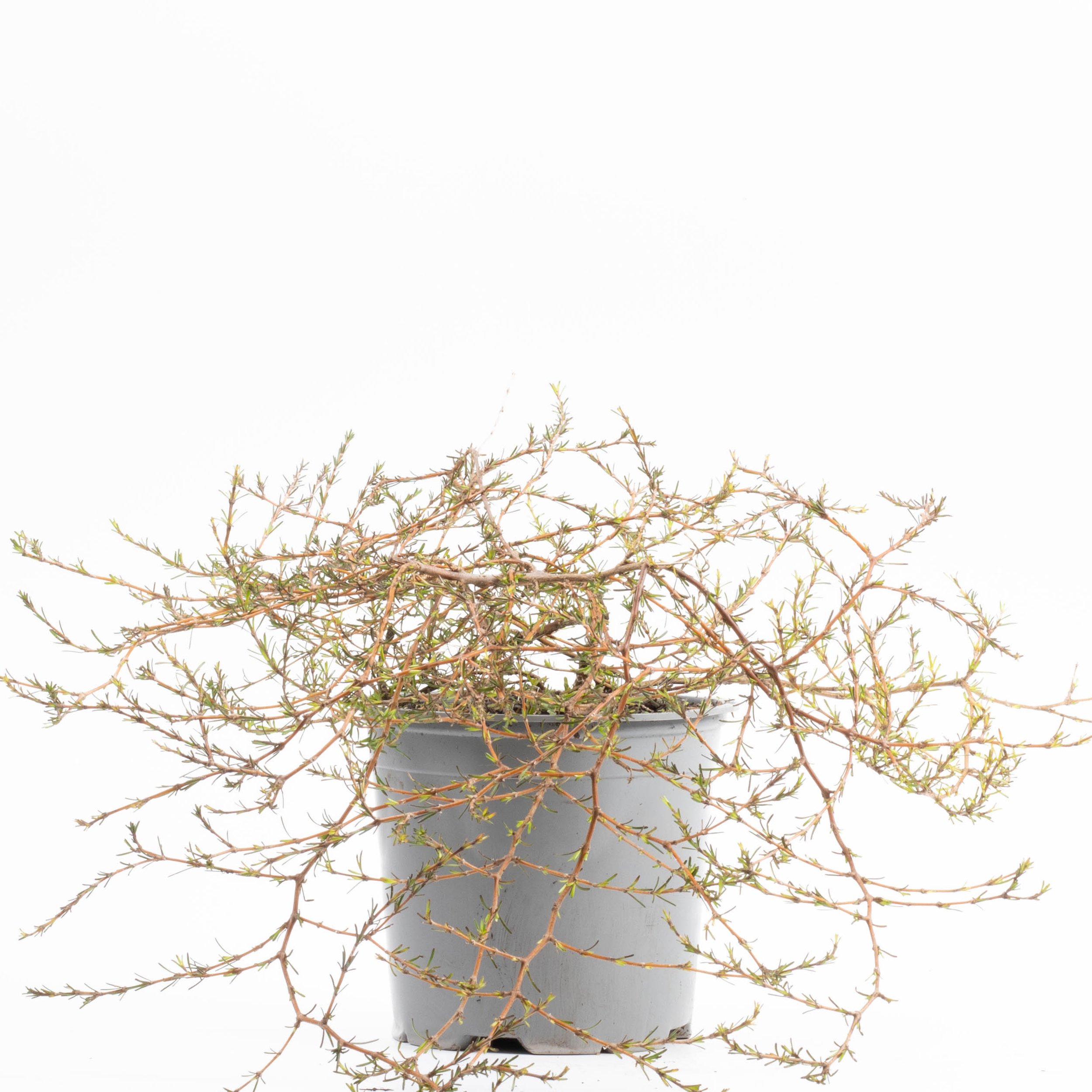
Coprosma acerosa is a groundcover coprosma that is found naturally near the coast throughout New Zealand. The small needle-like deep green leaves clothe the intertangling branches that form springy mounds with a spread of up to 1m.
When plants of both sexes are present, attractive smoky blue berries follow the tiny flowers. This is an excellent plant for coastal areas and hot dry conditions.
<
Habitat:
–––––––––--
Suits temperate conditions.
Suits coastal conditions.
Sunlight:
–––––––––--
Prefers full sun.
Application:
–––––––––--
Use in mass specimen plantings.
Use in coastal revegetation planting.
Size:
–––––––––--
Mature: diameter 0.4m x height 0.5m
Planting centres: 0.5m
>
Coastal (rarely inland). Mostly on cliff faces, rock stacks, and boulder/cobble beaches, more rarely in saltmarsh and estuaries. Often in petrel scrub on offshore islands, and extending into coastal forest around petrel burrows.
Trailing, succulent herb. Stem terete, glabrous. Short shoots prostrate, rooting freely at nodes. Leaves 3-angled, linear-lanceolate to oblong, acute, often mucronate, tapering to connate base, margins entire, smooth, very rarely with a few papillae towards the distal end of the keel.
<
Habitat:
–––––––––--
Suits coastal conditions.
Suits temperate conditions.
Sunlight:
–––––––––--
Prefers full sun.
Application:
–––––––––--
Use in mass specimen landscape plantings.
Use in revegetation plantings.
Use in coastal sand dune revegetation plantings.
Size:
–––––––––--
Mature: diameter 1m x height 0.2m
Planting centres: 0.7m
>
Spinifex sericeus is a creeping grass found on sand dunes of the North Island and Farewell Spit of the South Island. The leaves are 30-60cm long and covered with silky hairs giving the foliage a silvery appearance. Male and female flowers occur on separate plants and it is the female that bears the well known and distinctive spiny seedheads that blow like tumbleweed across the sand. In nature spinifex helps bind and stabilise the sand dunes, and this is the purpose for which it is currently planted. Propagation by seed, rooted pieces or cuttings.
<
Habitat:
–––––––––--
Suits coastal conditions.
Sunlight:
–––––––––--
Prefers full sun.
Application:
–––––––––--
Use in coastal sand dune revegetation plantings.
Size:
–––––––––--
Mature: diameter 0.3m x height 0.6m
Planting centres: 0.5m
>
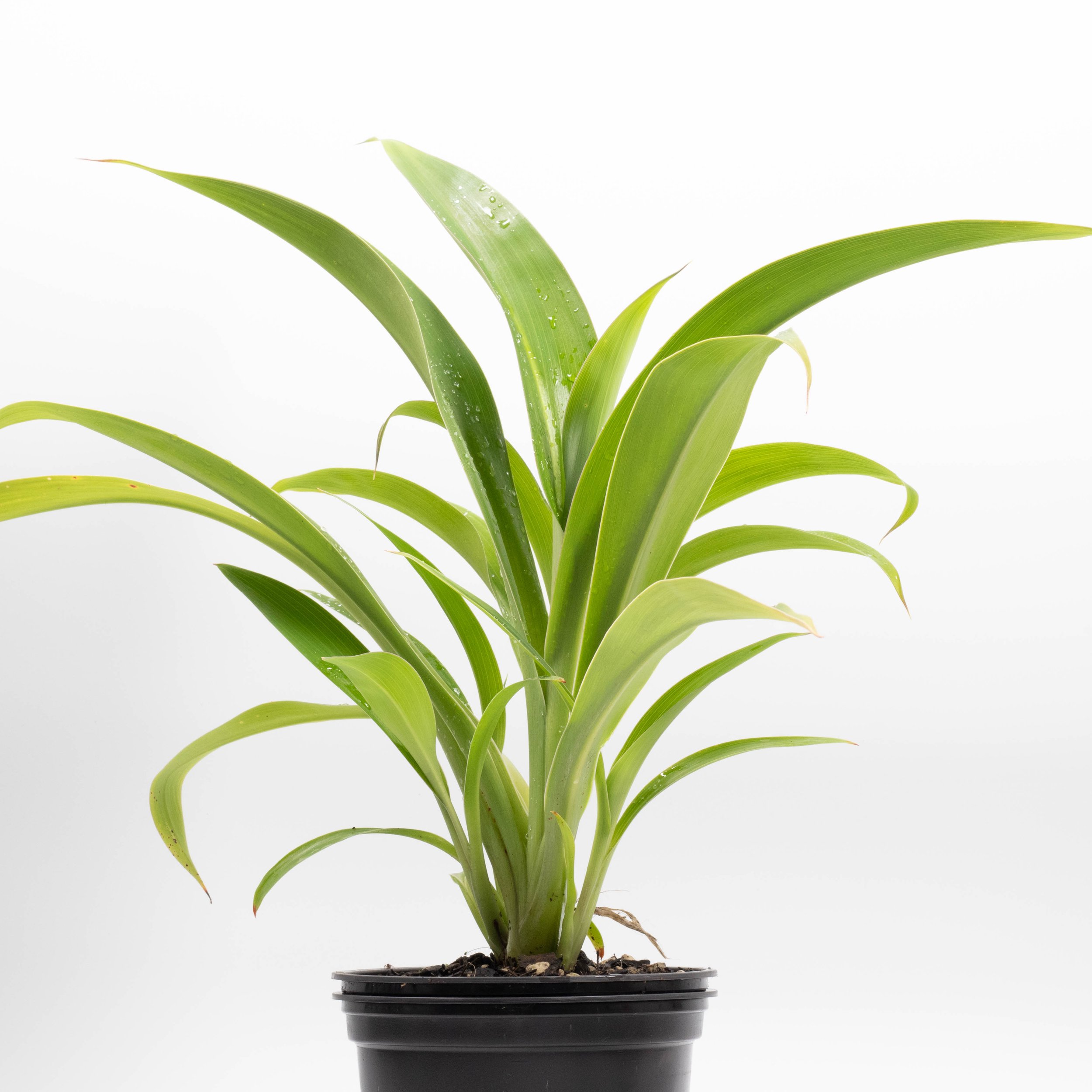
Arthropodium cirratum forms large clumps with drooping fleshy strap-shaped leaves of medium green, with glaucous overtones. Starry white flowers are borne in airy panicles in Summer.Excellent as a ground cover under trees, on banks and mass plantings in a border. If hit by frost, regrowth occurs again in Spring. One of the most adaptable and appealing perennial plants. Thrives in coastal areas throughout New Zealand. Grows to 1m in height and diameter.
<
Habitat:
–––––––––--
Suits temperate conditions.
Suits coastal conditions.
Sunlight:
–––––––––--
Prefers full sun.
Application:
–––––––––--
Use in revegetation plantings.
Use in mass specimen landscape plantings.
Size:
–––––––––--
Mature: diameter 1m x height 0.8m
Planting centres: 0.7m
>
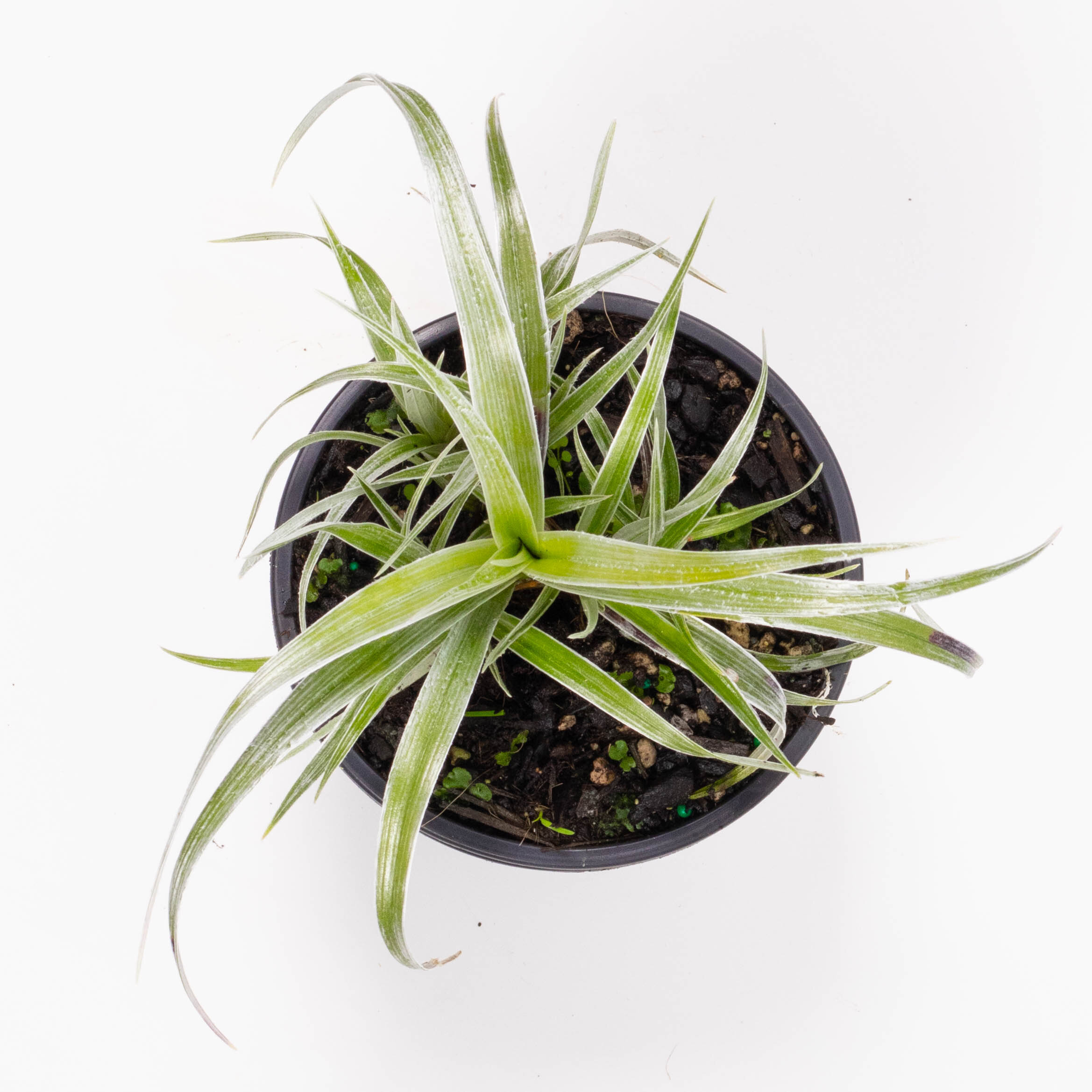
Astelia banksii is a species of lowland and coastal forests of the North Island, forming clumps 1-2m tall with relatively narrow silver-green leaves. The berries of this species are black when mature. Tolerates very dry conditions and will grow in sun or shade. An excellent addition to any garden.
<
Habitat:
–––––––––--
Suits temperate conditions.
Suits coastal conditions.
Sunlight:
–––––––––--
Prefers full sun.
Prefers well drained soils.
Application:
–––––––––--
Use in mass specimen landscape plantings.
Size:
–––––––––--
Mature: diameter 1m x height 1m
Planting centres: 1m
>
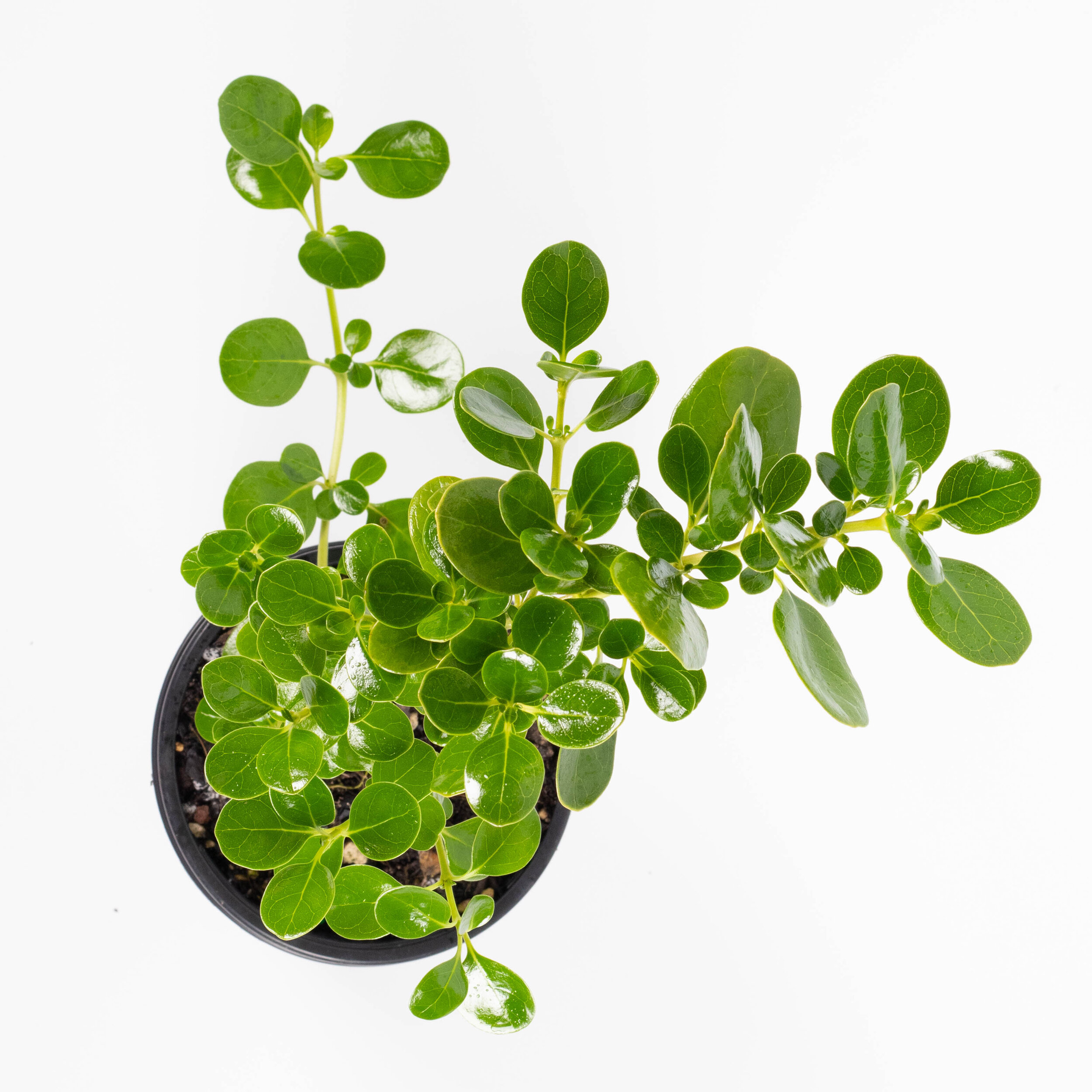
Coprosma Poor Knights is a prostrate form of Coprosma repens from Poor Knights Island. Has large glossy green leaves and a sprawling habit. Excellent planted en masse. Hardy. Tolerates dry coastal conditions. Grows to a height of 50cm and width of 1m.
<
Habitat:
–––––––––--
Suits temperate conditions.
Suits coastal conditions.
Sunlight:
–––––––––--
Prefers full sun.
Application:
–––––––––--
Use in mass specimen landscape plantings.
Size:
–––––––––--
Mature: diameter 2m x height 1m
Planting centres: 0.7m
>
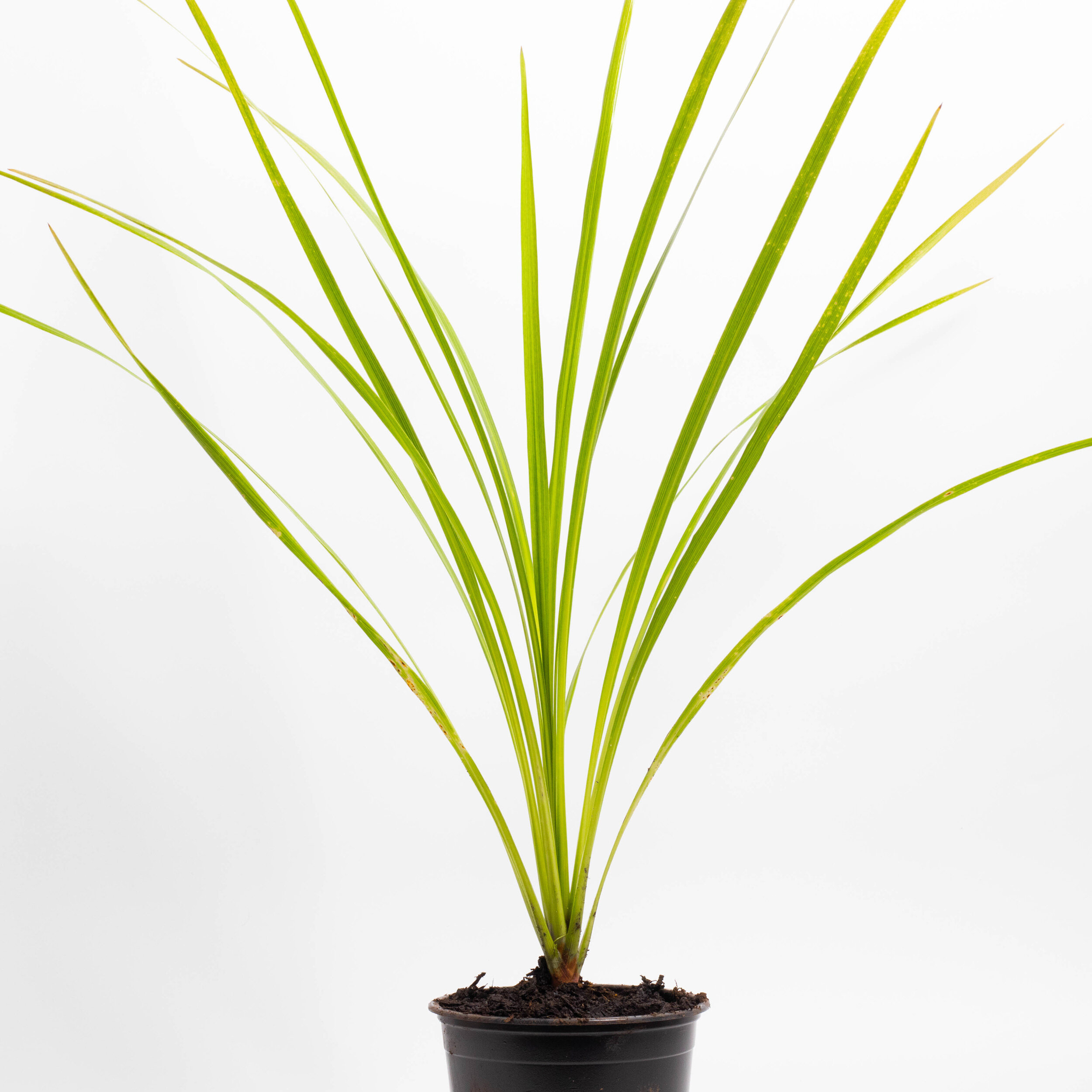
Cordyline australis is one of our best known and most distinctive trees found throughout New Zealand in a variety of habitats. The young tree has long narrow mid green leaves (3-6cm) which arise directly from a single trunk having an effect similar to ornamental grasses. As it matures the trunk becomes bare and branches out, with the leaves arising terminally. An eventual height of 5-10m is attained.
The creamy and fragrant flowers are a stunning feature, appearing in large densely packed panicles during late spring and summer. An excellent plant for landscaping being suitable for group and specimen planting and also for containers. Cabbage trees are quite obliging and unfussy, growing in a wide range of conditions.
<
Habitat:
–––––––––--
Suits temperate conditions
Suits wet conditions
Suits coastal conditions
Sunlight:
–––––––––--
Prefers full sun
Application:
–––––––––--
Use in single specimen amenity planting
Use in revegetation plantings
Use in wetland planting
Size:
–––––––––--
Mature: diameter 1.5m x height 8m
Planting centres: 1m
>
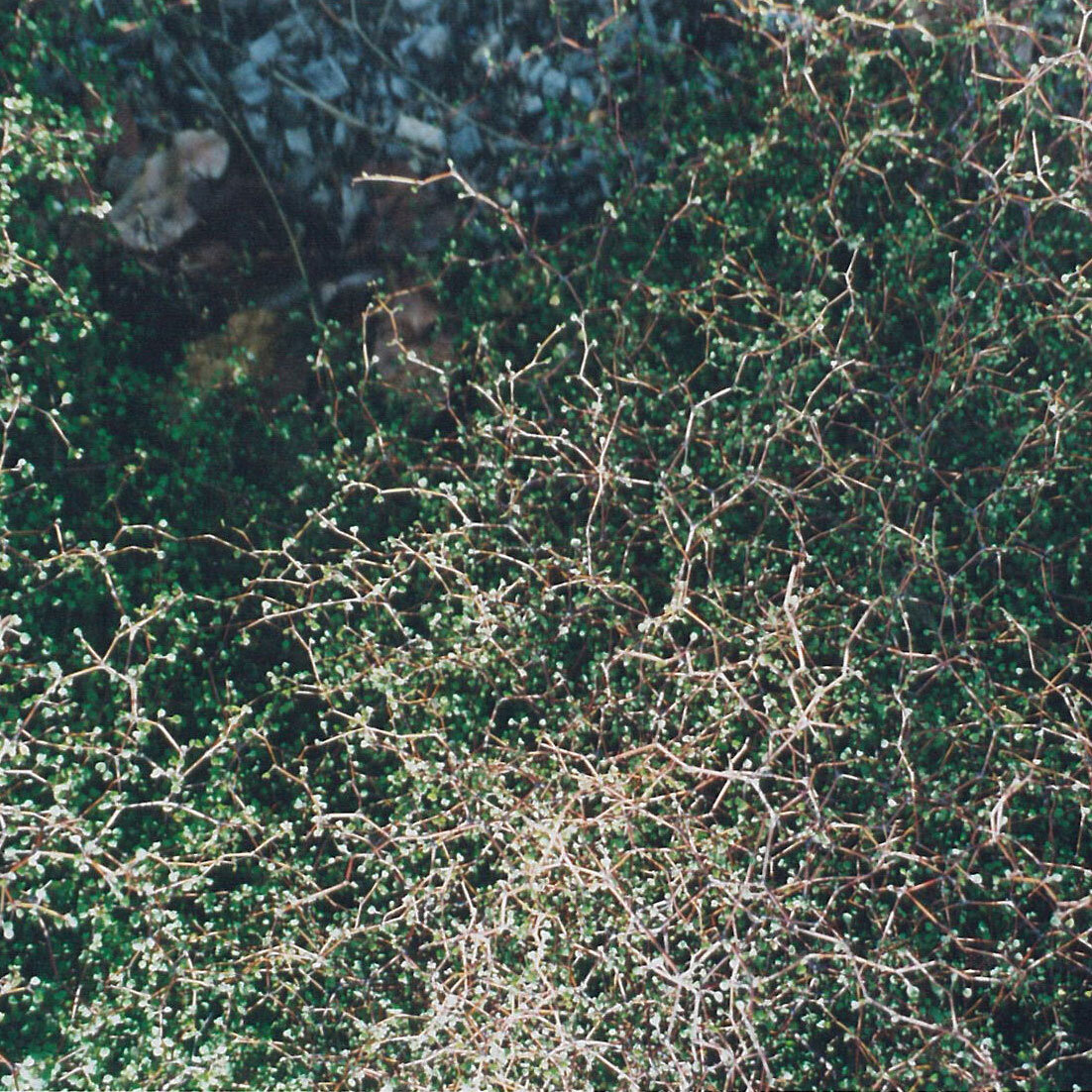
Muehlenbeckia astonii is a shrub found in coastal areas around Wellington and eastern areas of the South Island to Banks Peninsula. It grows to 1-2.5m and has tangled wiry stems with small round to heart-shaped dark green leaves that fall in winter. It makes an interesting contrast plant in a mixed planting and can be used as an attractive informal hedge. Very hardy, being able to tolerate quite dry soil.
<
Habitat:
–––––––––--
Suits temperate conditions.
Suits coastal conditions.
Sunlight:
–––––––––--
Prefers full sun.
Application:
–––––––––--
Use in mass specimen landscape plantings.
Use in single specimen landscape plantings.
Use in revegetation plantings.
Use in hedgerow and shelter belt plantings.
Size:
–––––––––--
Mature: diameter 1.5m x height 1.5m
Planting centres: 0.7m
>
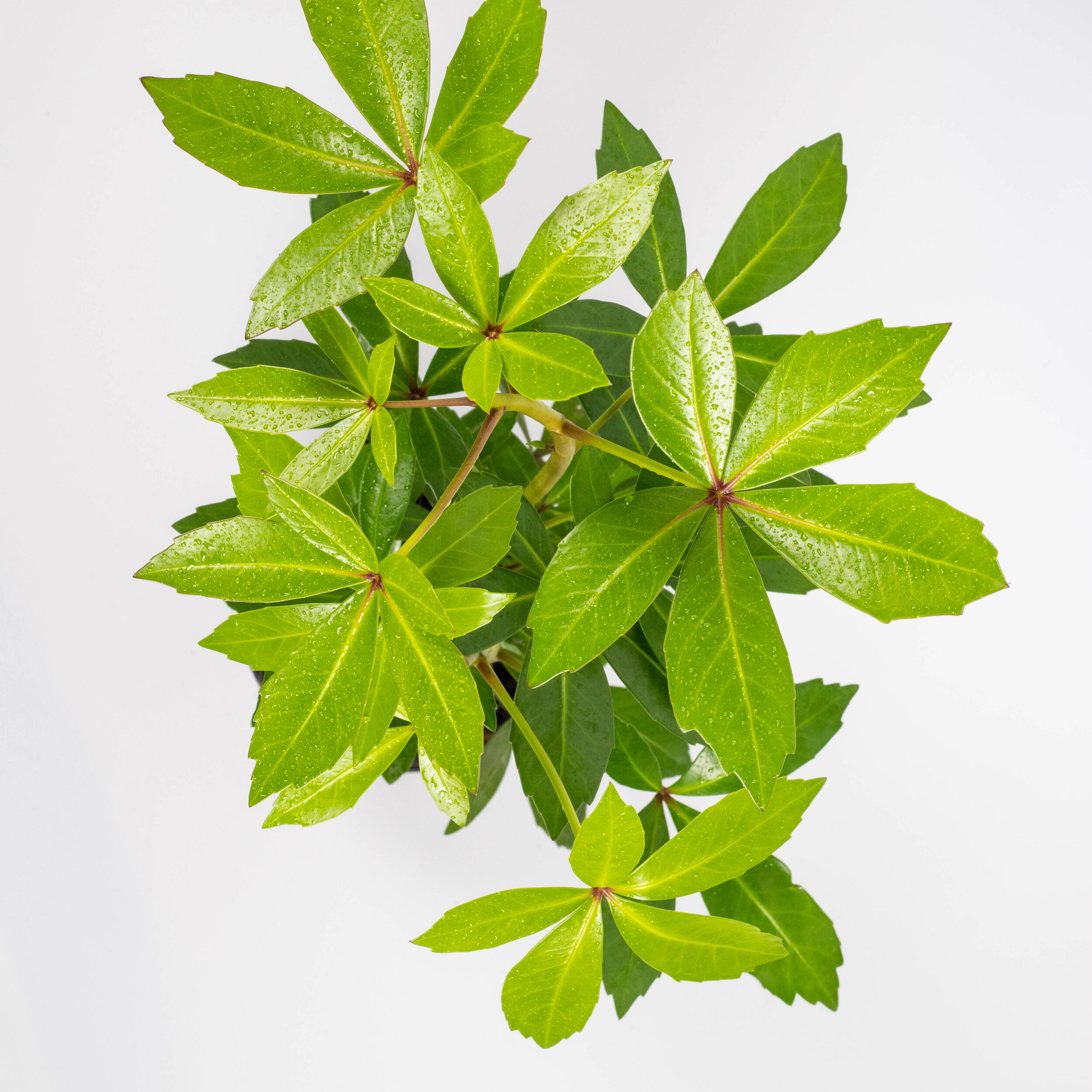
Pseudopanax lessonii, commonly known as houpara, is a shrub of coastal forest and scrubby areas from the Three Kings Islands to Poverty Bay. Houpara grows to 3-4m and has attractive leathery leaves composed of 3-5 leaflets that are broadly oval with shallow serrations near the tips. This is particularly good species for coastal planting. It is better in dry conditions and responds well to pruning.
<
Habitat:
–––––––––--
Suits temperate conditions.
Suits coastal conditions.
Sunlight:
–––––––––--
Prefers heavy shade.
Prefers semi shade.
Application:
–––––––––--
Use in mass specimen landscape plantings.
Use in revegetation planting.
Size:
–––––––––--
Mature: diameter 2.5m x height 4m
Planting centres: 1.5m
>
Karaka, New Zealand laurel
Corynocarpus laevigatus, commonly known as karaka, is a handsome canopy tree found in coastal forests of the North Island and, less commonly, the South Island. The oblong leaves are large, leathery and a glossy dark green. They offset the oval orange drupes that ripen in autumn. Fallen fruit emits a rather unpleasant odour as it rots and this, together with the fact that the kernels are poisonous, should be considered when a planting site is chosen.
Karaka grows into a well foliaged upright tree of 5-15m. It is tolerant of a wide range of conditions including sea breezes but may need frost protection when young. Suitable for growing in a container.
<
Habitat:
–––––––––--
Suits temperate conditions.
Suits coastal conditions.
Sunlight:
–––––––––--
Prefers full sun.
Application:
–––––––––--
Use in single specimen amenity plantings.
Use in revegetation plantings.
Size:
–––––––––--
Mature: diameter 8m x height 12m
Planting centres: 3m
>