

Rural ecosystems.
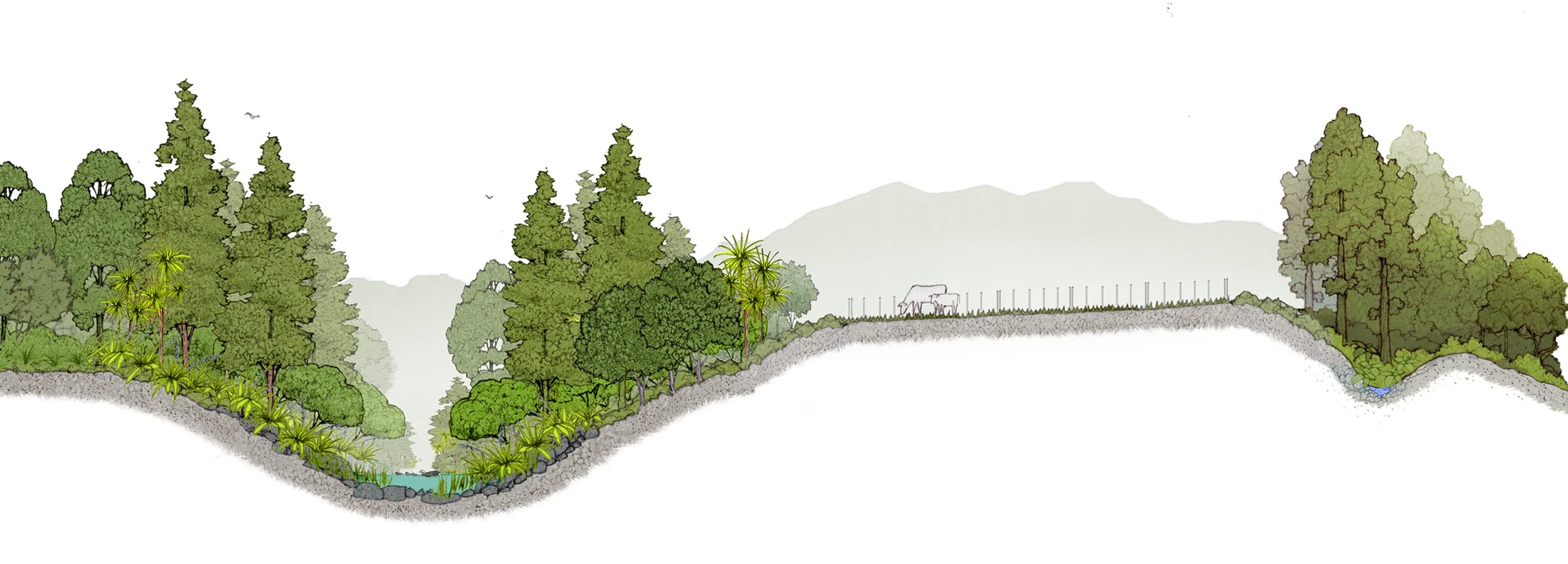
In general rural landscapes are highly modified, productive landscapes. Some have had all vestiges of naturally occurring native vegetation removed. Rural landowners recognise that productivity has an ecological cost, which can be balanced by protecting and enhancing remaining patches of bush, linking them together and by planting vulnerable land such as steep slopes.
Healthy ecosystems start with the right combination of plants. Here is a selection of plants from our plant library to help you start planning your ecosystem.
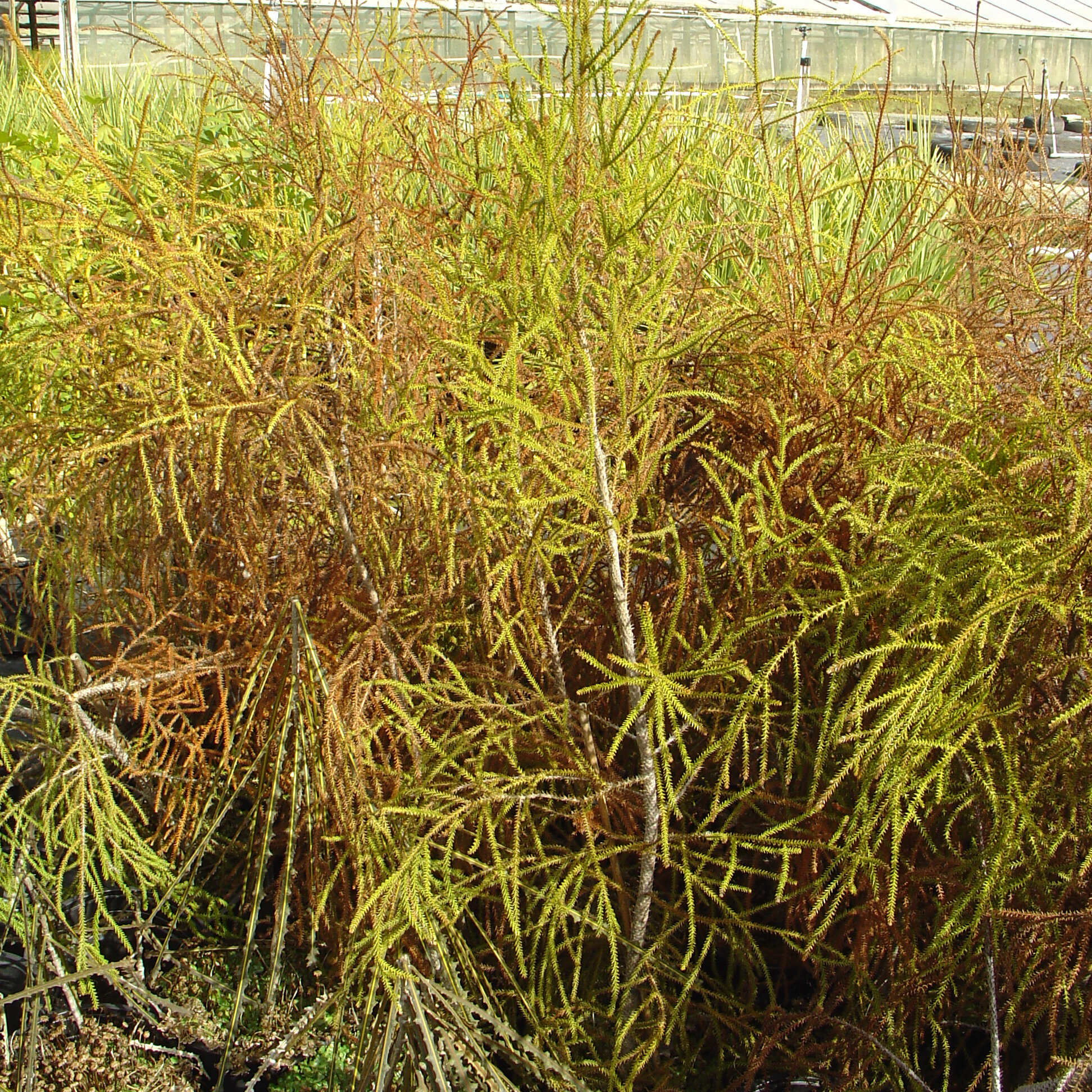
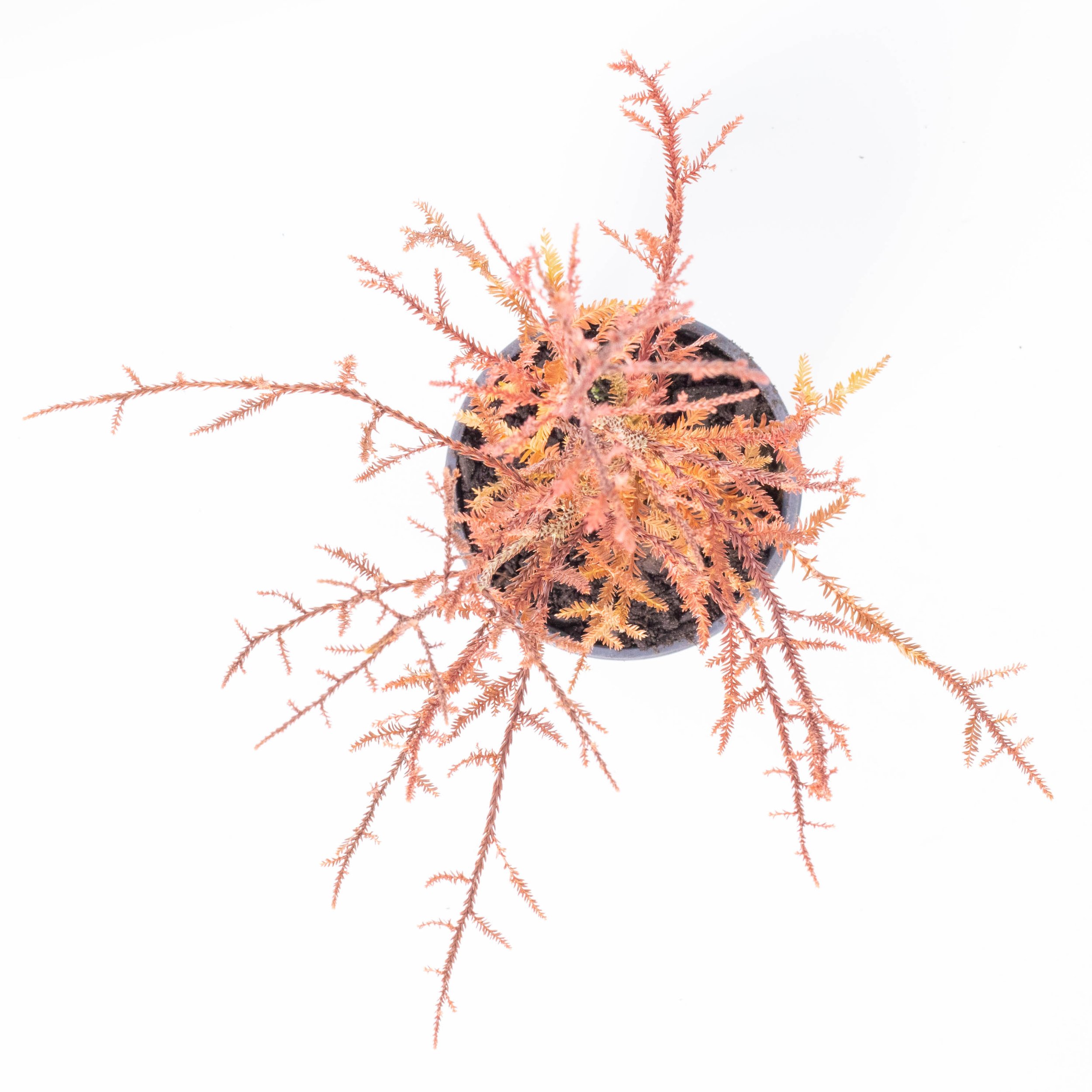
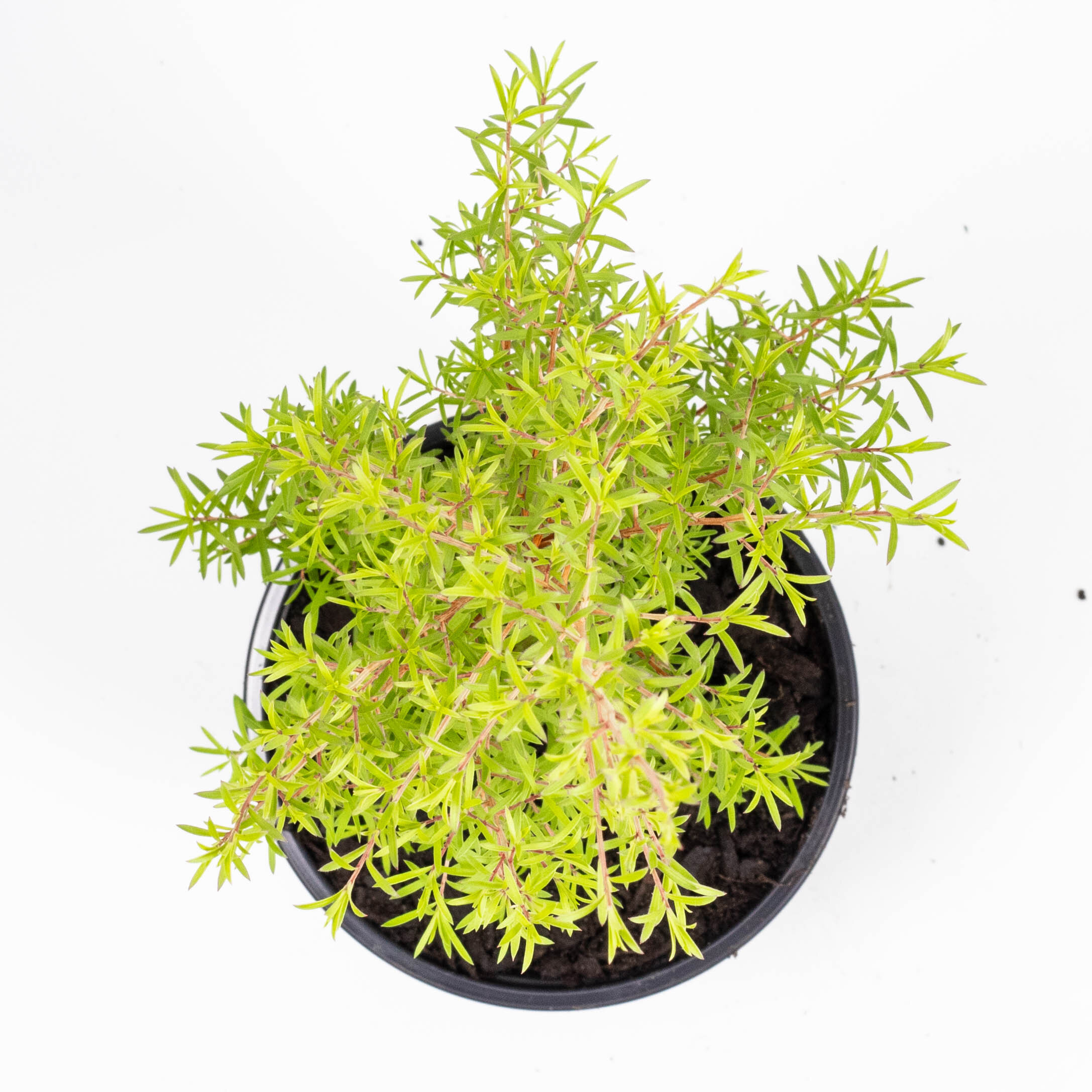
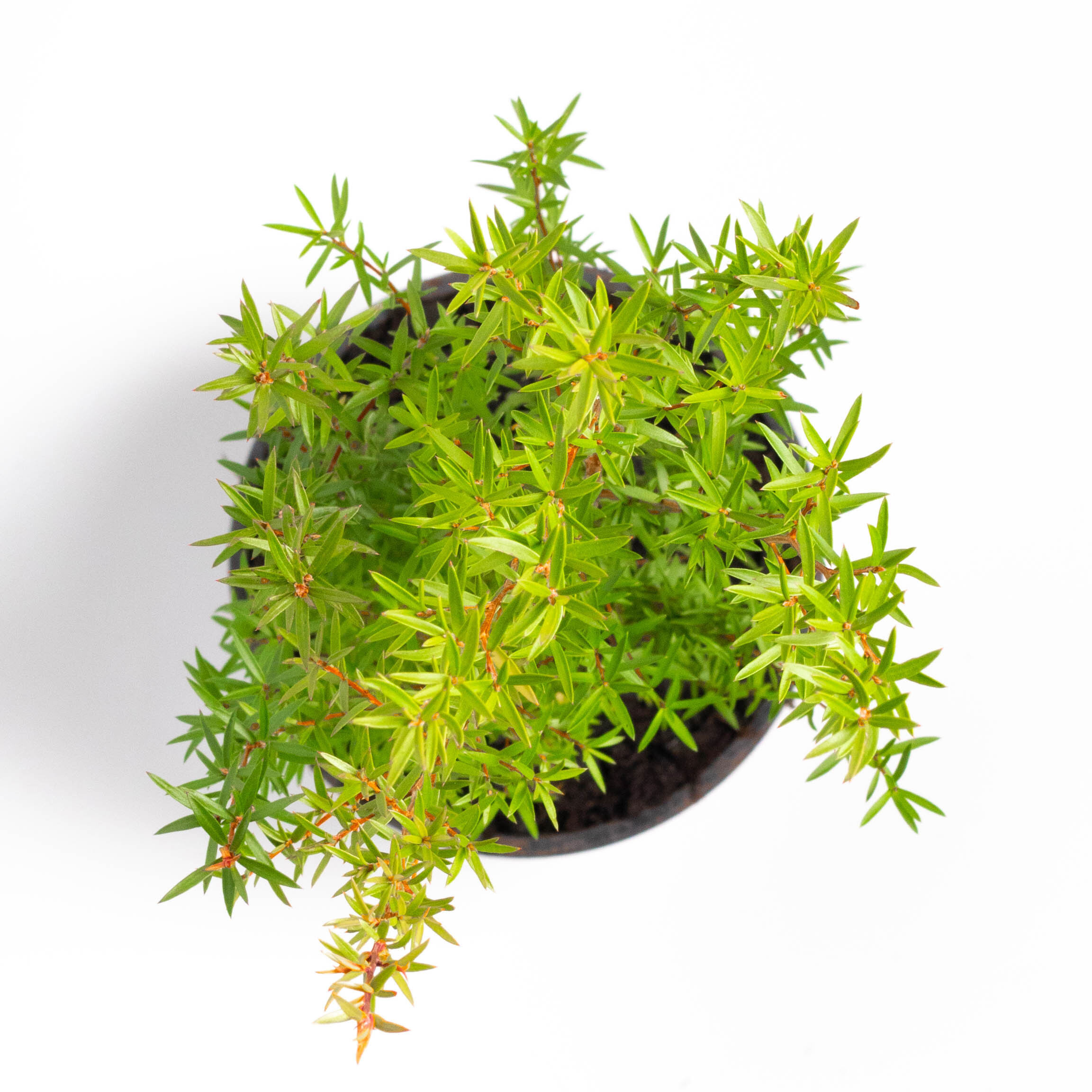
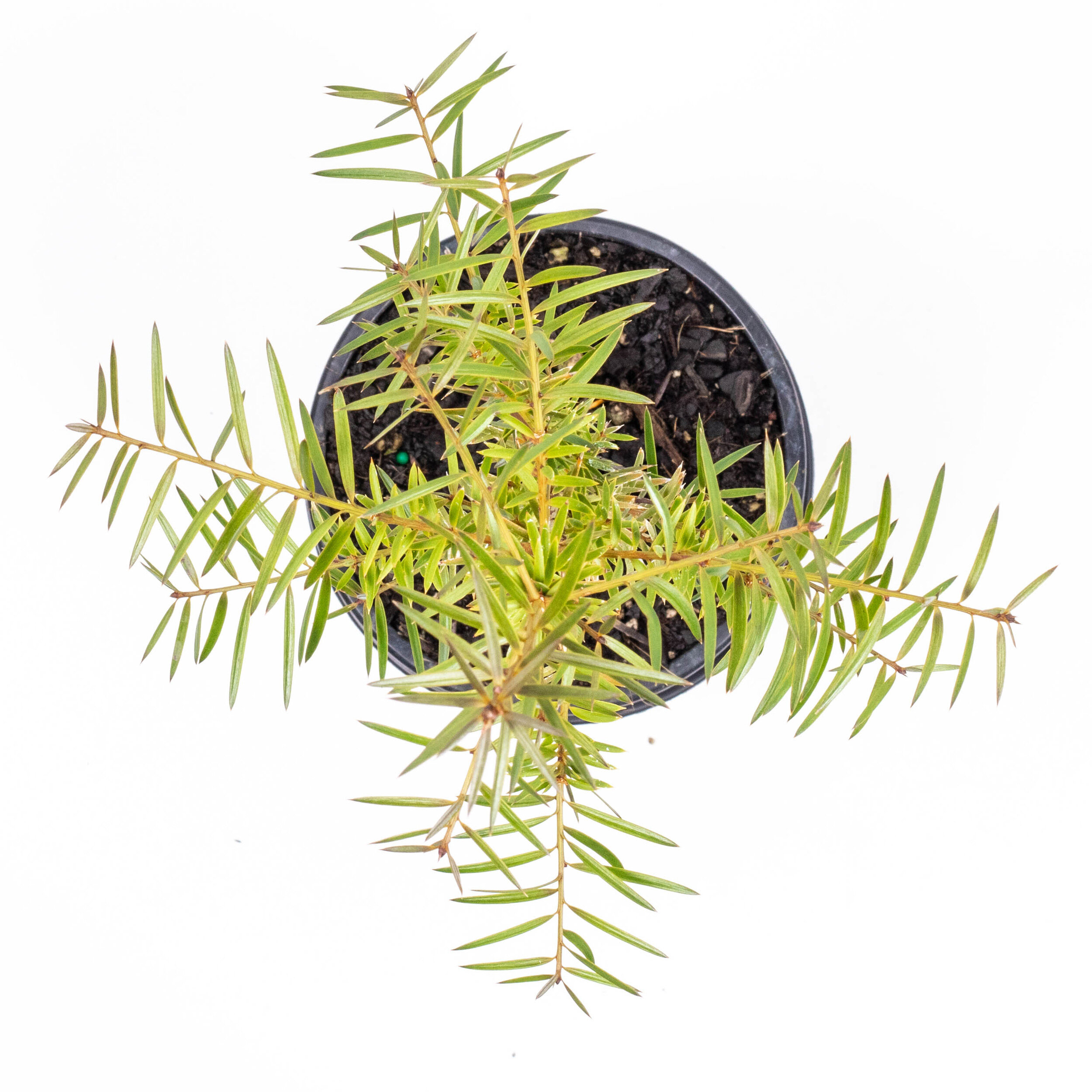
Carbon Sink Plants.
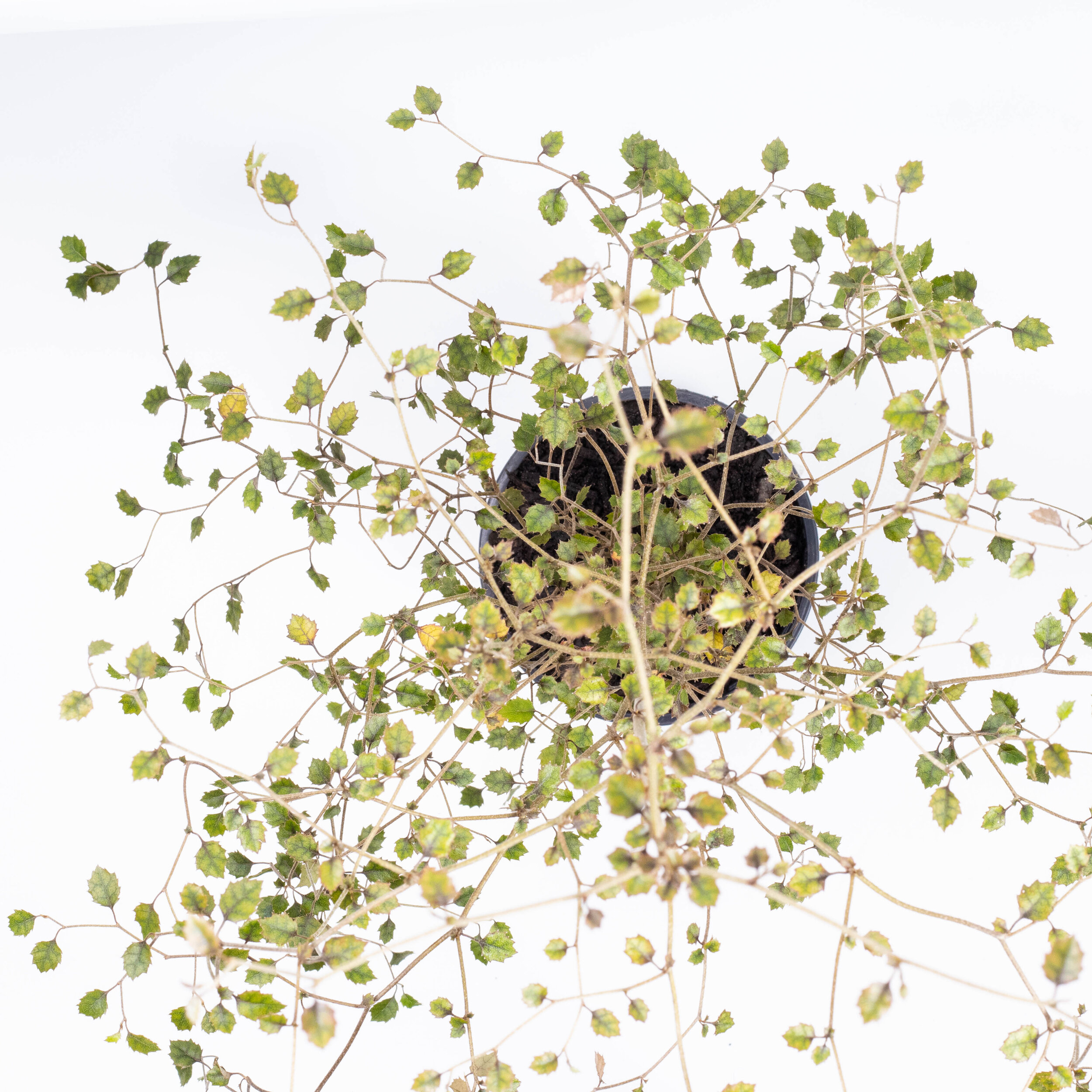
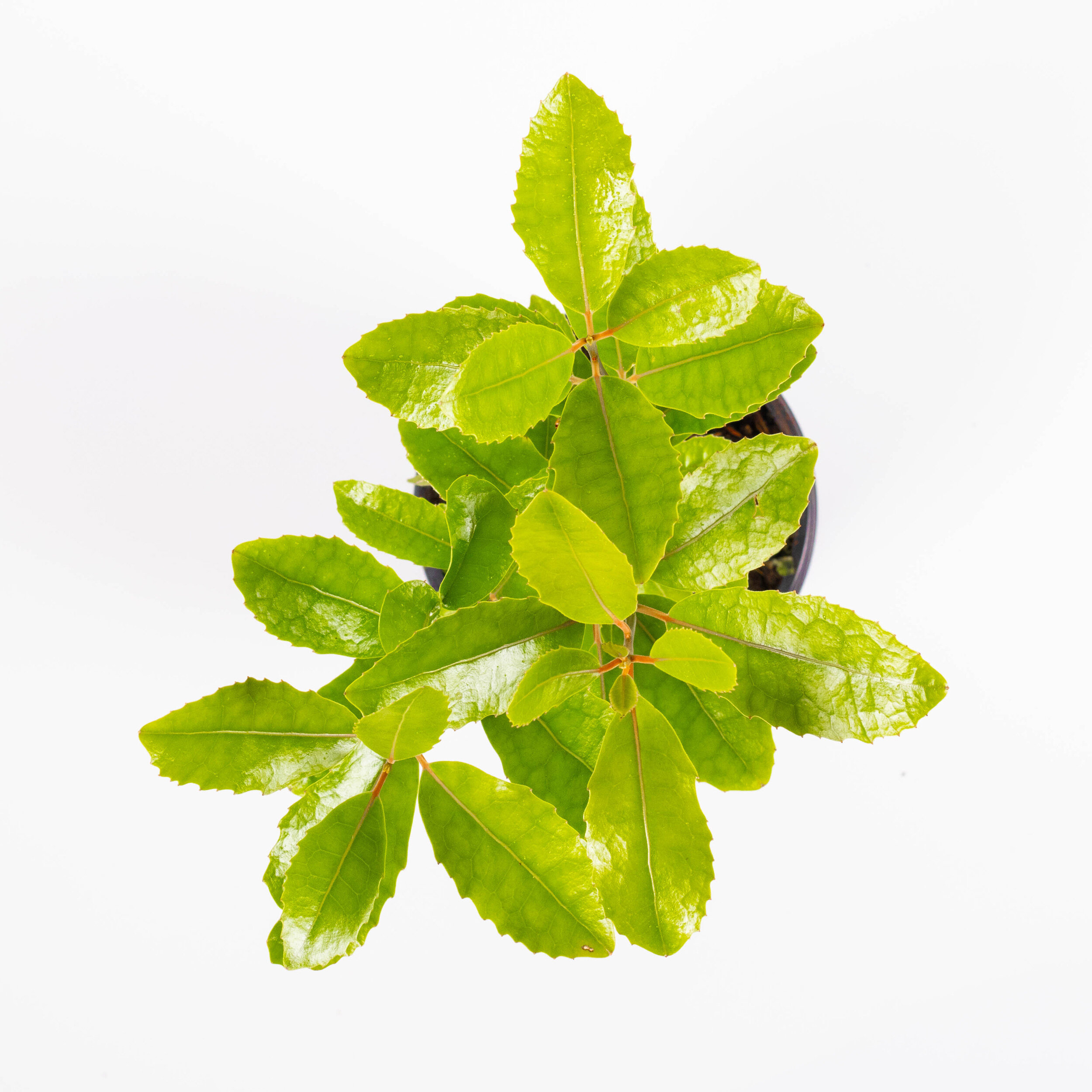
Enrichment Plants.
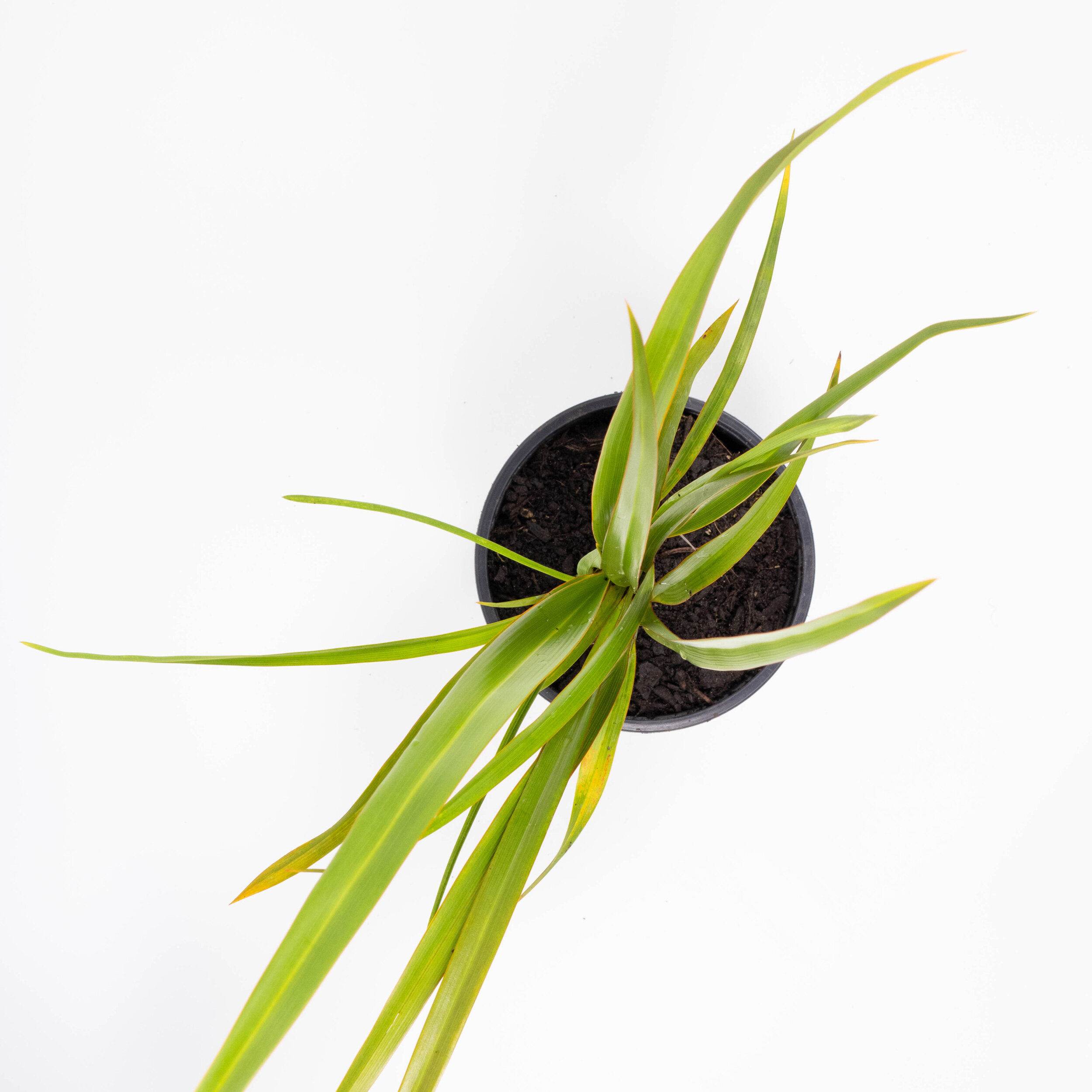
Pioneer Plants.


Kauri
Agathis australis, commonly known as kauri, is the giant of New Zealand’s podocarps and is one of the largest trees in the world. The oldest specimens can live to 2,000 years old. This includes the reknown Tane Mahuta in the Waipoua Forest.
The kauri grows 30-60m in height and 3-6m in girth. As the tree matures the lower branches drop off leaving a straight clean trunk covered in flaky bark with the massive limbs branching out from the top of the tree. The leaves are coppery coloured in the younger plant. Golf ball sized seed cones produce the new seeds. Kauri is famous for its timber and its resin (gum).
<
Habitat:
–––––––––--
Suits temperate conditions.
Sunlight:
–––––––––--
Prefers full sun.
Prefers semi-shade when young.
Application:
–––––––––--
Use in revegetation plantings.
Use in single specimen amenity plantings.
Size:
–––––––––--
Mature: diameter 7m x height 30m+
Planting centres: 5m+
>